What Makes Great Septic Services in Wantage NJ Stand Out

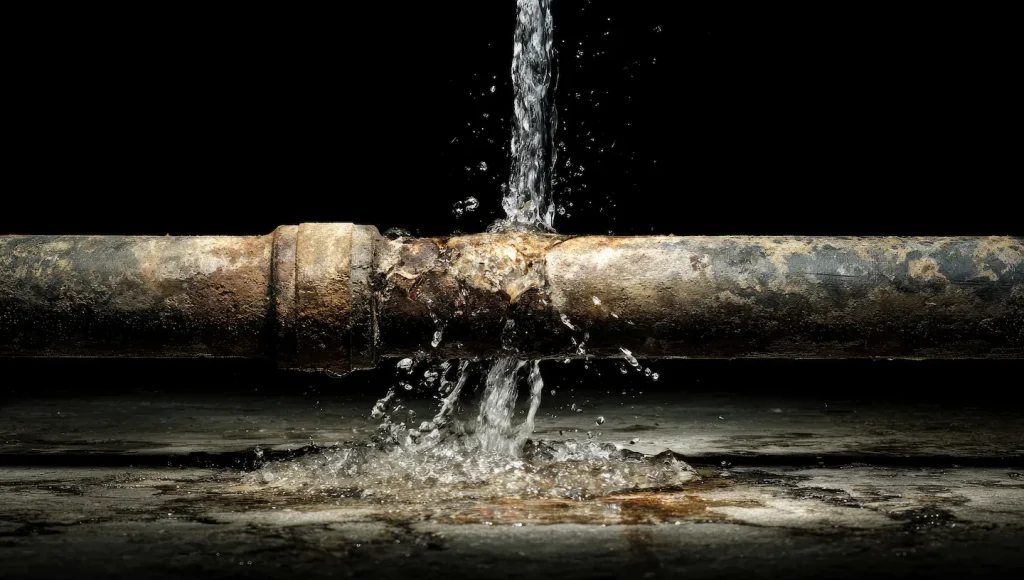
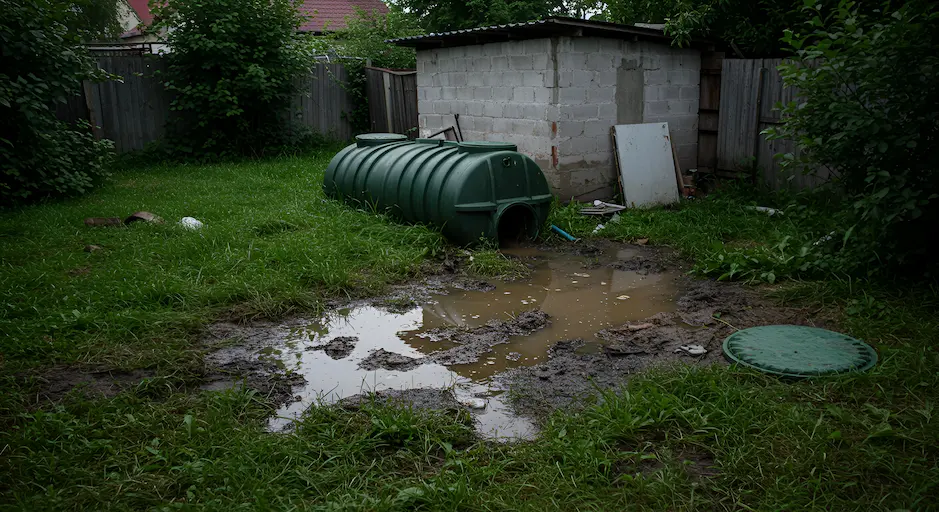
In a place like Wantage, septic work is not abstract home maintenance. It is part of daily living, tied to weather, soil, well water, property layout, and the age of the house itself. When a system works, nobody thinks much about it. When it does not, the problem moves fast from inconvenience to expense. Slow drains turn into backups. Wet spots in the yard start to smell. A buyer's inspection raises questions nobody wants to answer at the closing table.
That is why the difference between average and excellent septic services matters so much. In Sussex County, where many homes rely on private septic systems instead of municipal sewer, the best providers do more than pump a tank and leave. They understand the land, the local rhythm of seasonal use, and the warning signs that tell you whether a simple maintenance visit will solve the issue or whether something deeper is going wrong.
People searching for septic services Wantage NJ often start with urgency. A toilet is gurgling. The shower drains slowly after a week of rain. Guests are coming for the weekend and the alarm is going off. Fair enough. Emergencies happen. But the companies that really stand out are the ones that can handle urgency without losing judgment. They know when to move quickly, when to inspect carefully, and when to tell a homeowner the truth, even if it is not the easiest thing to hear.
Local knowledge shows up in small decisions
A septic system is not just a tank in the ground. It is a working relationship between the house, the soil, the slope of the lot, groundwater conditions, and how the household uses water. In Wantage, properties vary a lot. One home may sit on a gently sloped lot with fairly predictable drainage. Another may have ledge, compacted soil, a high water table at certain times of year, or older components that were installed under standards very different from current expectations.
That local variation is where good septic service separates itself. A technician with real field experience in the area does not treat every call the same. They ask better questions from the start. How old is the system? When was it last pumped? Has the property changed hands recently? Have there been heavy rains? Has anyone been parking over the field, installing patios, or routing roof runoff near the septic area?
Those questions are not just small talk. They shape what happens next. For example, after a wet spring, a backup might not mean the tank is full. It could mean the leach field is struggling because the surrounding soil cannot accept effluent efficiently. A less experienced crew may simply pump the tank and call it done. That may buy time, but it does not solve the actual problem. A stronger provider will explain what pumping can and cannot accomplish, then recommend next steps that fit the conditions.
The best companies inspect, they do not guess
One of the easiest ways to spot quality in septic services is to listen to how a company talks about diagnosis. Good providers are careful with language. They do not jump straight to expensive conclusions, and they do not make promises before seeing the system.
That matters because many septic symptoms overlap. Gurgling fixtures can point to a full tank, a blocked line, venting issues, or field trouble. A wet patch in the yard may be septic related, but it can also come from drainage problems, broken water lines, or surface runoff collecting in the wrong place. Odor near the tank area may suggest a failing lid seal, a recent pumping need, or wastewater surfacing where it should not.
In practice, strong septic service involves a sequence of observations. The crew looks at usage patterns, opens the tank, checks levels where appropriate, notes the condition of baffles, looks for signs of root intrusion or line blockage, and pays attention to what the yard is telling them. They do not rely on one clue when five clues are available.
A homeowner can usually feel the difference. The appointment is calmer. The explanations are clearer. Instead of hearing a vague line about "probably needing a replacement," you hear something more disciplined: the tank is overdue for pumping, the outlet baffle shows wear, the distribution side needs closer evaluation, and because the ground is saturated from recent storms, it would be wise to monitor recovery before making a final call. That kind of judgment saves people from both complacency and panic.
Strong septic service is preventive, not just reactive
The best septic companies spend a lot of time helping people avoid emergencies. That may sound less dramatic than rescue work, but it is where real value lives. A preventable backup on a holiday weekend is one of the most expensive ways to learn that maintenance matters.
Most residential septic tanks need pumping on a schedule that depends on tank size, household size, water use habits, and whether a garbage disposal is used heavily. There is no single magic interval. Some homes do well on roughly a three year cycle. Others may need closer to two years, while lightly used homes can sometimes go longer. The point is not the exact number. The point is that a reputable provider will tie recommendations to your actual situation instead of handing every customer the same script.
They also talk plainly about what shortens a system's life. Excess water is a major one. Spreading laundry across the week instead of running several loads in one day can help. Fixing septic services Wantage NJ leaking toilets matters more than many people realize. Routing sump discharge, roof runoff, or other clean water away from the septic area is basic but important. So is keeping heavy vehicles off the drain field. Soil compaction can quietly do damage that does not show up until much later.
Here is where a practical checklist helps. A good septic company often encourages homeowners to keep a few habits in mind:
- Pump on a schedule based on household use, not memory alone.
- Keep grease, wipes, and harsh nonflushable materials out of the system.
- Divert surface water away from the tank and drain field areas.
- Avoid driving or building over any part of the septic system.
- Call early when drains slow or odors appear, instead of waiting for a backup.
That advice is not glamorous, but it is grounded in what actually keeps systems alive.
Honest communication is a mark of real professionalism
Homeowners are often at a disadvantage with septic work because so much of the system is out of sight. That makes trust central. The companies that stand out in Wantage tend to be the ones that communicate without theatrics. They explain what they found, what they did, what remains uncertain, and what can wait versus what should not.
That honesty shows up in pricing as well. A strong provider can explain why one service costs what it costs. If a tank is difficult to access, if lids need to be uncovered, if a line requires additional diagnostic work, or if weather and site conditions add time, those are legitimate variables. Trouble starts when pricing feels foggy or the conversation turns into pressure.
There is a practical difference between education and upselling. Education sounds like this: your tank was heavily loaded, the outlet side should be watched, and based on occupancy you should plan for another service within a certain range. Upselling sounds like this: everything is urgent, everything is failing, and every solution happens to be expensive. Experienced homeowners hear that difference quickly.
Good communication also includes limits. A serious septic professional will say when more evaluation is needed. They will avoid giving false certainty about buried components they have not verified. If weather conditions are affecting performance, they should say so. If a problem involves plumbing inside the home as much as the septic system outside, they should be willing to make that distinction.
Emergency response matters, but so does composure
When a septic issue turns urgent, response time matters. Still, speed alone does not define quality. The best emergency service is fast and methodical. A rushed crew that misses the real issue can leave a homeowner with a temporary reprieve and a much bigger bill later.
In rural and semi-rural areas, after-hours calls are part of the business. Backups do not wait for business hours, and alarm conditions often show up at inconvenient times. Great septic services build their reputation not just on showing up, but on arriving prepared. They have the equipment to pump, inspect, and advise. They know how to work around weather, muddy access, and narrow driveways. They can manage the immediate sanitation concern while keeping an eye on what caused it.
I have seen homeowners focus almost entirely on whether the company can come "right now." That is understandable in the moment. But the better question is whether the company can come right now and make sound decisions. A provider who buys you 24 calm hours and a clear plan may be more valuable than one who rushes in, does the bare minimum, and disappears.
Experience with older systems changes everything
A lot of homes in and around Wantage are not new construction. Older houses often come with older septic layouts, partial records, repairs done by previous owners, or upgrades that do not always match cleanly with the original design. This is where experience becomes visible very quickly.
A newer technician can be perfectly capable, but great septic service usually includes someone who has seen the strange setups before. Tanks in unexpected locations. Access lids buried deeper than expected. Baffles in poor condition. Old piping materials. Additions that changed household flow patterns. Landscapes that were altered without much thought to where the system sits.
These situations call for restraint and memory. A seasoned provider recognizes that records and reality do not always match. They verify before digging too far into a recommendation. They understand that older systems can sometimes keep operating acceptably with targeted repairs and disciplined maintenance, while in other cases replacement is the more honest path. The challenge is telling the difference without guessing.
That judgment matters especially when a property is being sold. Septic issues discovered during a transaction create pressure on everyone. Buyers want certainty. Sellers want fairness. Agents want timelines. A strong septic company can provide documentation, explain what is known and what is not, and avoid inflaming the situation with exaggerated septic services Wantage NJ Excavating New Jersey LLC claims. That kind of steadiness is valuable.
Respect for the property is not a small thing
Homeowners often remember the human side of service long after they forget the invoice total. Did the crew protect the lawn as much as conditions allowed? Did they leave the area clean? Did they explain where they dug and why? Did they answer questions without talking down to the customer?
Those details matter in septic work because the job is inherently disruptive. Accessing buried lids, working in wet ground, maneuvering trucks, and handling wastewater are not neat tasks. Even so, professional standards count. The best crews think ahead about hose routing, driveway placement, restoring disturbed ground, and minimizing unnecessary mess.
They also understand that customers are often embarrassed by septic problems, even though they are common. Good service personnel do not make the homeowner feel foolish. They explain the issue plainly and move toward solutions. That kind of interpersonal professionalism is one of the quiet reasons some companies earn repeat business for years.
Great companies help homeowners understand costs before costs spiral
One of the hardest parts of septic ownership is that delays can get expensive. A routine pumping visit is manageable. A neglected system that leads to indoor backup, damaged flooring, contaminated yard areas, or major system failure is another matter entirely.
The better septic services Wantage NJ homeowners rely on usually emphasize timing. They tell people when a problem can wait a bit and when waiting is a bad bet. That distinction is important. Not every issue is an emergency, but some warning signs deserve prompt attention because they tend to worsen rather than stabilize.
Here are common signs that should trigger a service call sooner rather than later:
- Sewage odors near the house, tank, or field area that persist
- Multiple slow drains in the home, especially when paired with gurgling
- Unusually lush or wet patches over the drain field
- Backups in lower fixtures such as basement drains or first floor tubs
- Septic alarms or high water alerts on systems equipped with them
A good company will not use those signs to scare people. They will use them to prioritize action sensibly.
Licensing, records, and process are part of quality
The most dependable septic providers tend to run organized operations. That may sound obvious, but it becomes especially important when you need records later. Service dates, pumping notes, observations about component condition, and recommendations all help homeowners make smarter decisions over time. They also help during resale, renovation, or when a recurring issue needs a second look.
Professional process includes practical things many customers never see directly. Proper disposal practices. Clear service documentation. Coordination if additional inspections are needed. Familiarity with local expectations and permit situations when repairs or replacements enter the picture. None of that is flashy, but all of it reduces headaches.
It also gives the homeowner continuity. If you call the same company over several years, they should be able to speak from an actual service history, not just from whatever seems likely that day. That continuity can reveal trends. Maybe sludge accumulation is increasing because occupancy changed. Maybe a line that was once only mildly troublesome is becoming a pattern. Maybe seasonal saturation is affecting the same area each spring. Trends are easier to see when the company keeps usable records and pays attention.
Technology helps, but judgment matters more
Modern equipment has improved septic work in real ways. Better locating tools, inspection methods, and pumping equipment can make service more efficient and less invasive. That is all positive. But technology is only useful when the person using it knows how to interpret what they are seeing.
This is one of the places where homeowners can get distracted by marketing. Fancy terms and impressive equipment photos do not automatically translate into better outcomes. Sometimes a careful technician with strong local experience and a straightforward diagnostic approach will outperform a company that leans heavily on buzzwords.
What matters is whether the tools serve the diagnosis. Are they helping confirm the system layout, identify a blockage, assess component condition, or narrow down whether the issue is in the house, the tank, or the field? If so, excellent. If the tools are mainly there to create the impression of sophistication, that is another story.
Long-term relationships beat one-off transactions
The strongest septic companies often build their reputation one property at a time over many years. They become familiar with neighborhoods, with recurring soil challenges, with the systems installed during certain building periods, and with the families who call them. That kind of continuity creates better service because context accumulates.
A homeowner also benefits from having a go-to provider before an emergency happens. If you know who maintains your system, when it was last pumped, where the access points are, and what prior concerns were noted, you start any future problem with a major advantage. It is much better than frantically searching for septic services during a backup and trying to evaluate companies in a state of stress.
That is one reason the best septic services Wantage NJ has to offer tend to earn word-of-mouth referrals. People remember who was honest, who explained things clearly, who did not oversell, and who helped them avoid a bigger problem down the line. In this industry, reputation is not built by slogans. It is built by field decisions that hold up over time.
What homeowners should listen for when they make the call
The first phone conversation can tell you a lot. You are not looking for polished sales language. You are listening for competence. Does the office ask sensible questions about symptoms, timing, property access, and prior service? Do they explain availability clearly? Do they distinguish between routine pumping and problem diagnosis? Do they seem comfortable discussing uncertainty when more information is needed?
That call often reveals whether the company sees septic work as a commodity or as a professional service. Commodity thinking sounds like one-size-fits-all scheduling and vague promises. Professional service sounds more specific. It respects the fact that a slow sink, a sewage odor, and a saturated field may all belong to different categories of problem.
Homeowners should also pay attention to whether a company is willing to give practical interim guidance. Sometimes that means reducing water use until the appointment. Sometimes it means avoiding more laundry or staggered showers. Sometimes it means staying out of a wet field area or keeping vehicles away from it. Simple advice like that reflects real field awareness.
Why the best septic service feels steady
At the end of the day, what makes a septic company stand out is not just one trait. It is a combination of technical knowledge, local familiarity, honest communication, and disciplined problem-solving. In a town like Wantage, where septic systems are part of ordinary homeownership, that combination matters more than slick branding ever will.
The best providers know that every call sits at the intersection of sanitation, property value, and household stress. They treat routine maintenance seriously, they respond to emergencies without losing perspective, and they explain trade-offs in a way homeowners can actually use. They do not just perform septic services. They help people manage one of the most important hidden systems on their property with less risk and more confidence.
That is what stands out. Not noise. Not pressure. Not shortcuts. Just sound work, done by people who know the ground they are working in and respect the people who live on it.
Excavating New Jersey LLC
Address: 406 County Rd 565, Wantage, NJ 07461
Phone number: +19737914284
FAQ About Septic Services Wantage NJ
What is the average cost to get a septic tank emptied?
Emptying a septic tank costs between $290 and $560 on average, with most homeowners paying about $420. Prices vary based on tank size.
What is septic service?
Septic service inspects, pumps, cleans, and maintains a septic tank. A septic tank is a large, underground container that collects and treats wastewater from your home. Over time, sludge, scum, and other debris, like hair and solids, can build up in your tank and clog your drain field.
How often should you have a septic tank serviced?
A standard septic tank should be inspected every 1 to 3 years and pumped every 3 to 5 years. However, the exact schedule depends on your tank's capacity, household size, and daily water usage.