What Homeowners Should Ask Before Buying Norweco Singulair Green
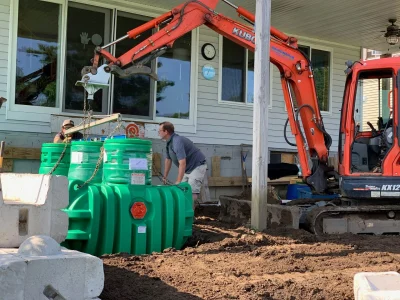
Buying a residential wastewater treatment system is not like picking out a water heater or replacing a dishwasher. Most homeowners do it once, under pressure, and with limited room for error. By the time the discussion starts, there is often a failed perc test, a demanding site, a remodeling project, or a local health department requirement sitting in the background. That is why the right questions matter more than the brand brochure.
The norweco singulair green system comes up often when a conventional septic system is not the best fit, or not allowed. It is an aerobic treatment system, which means it uses oxygen and mechanical components to treat wastewater to a higher standard than a basic septic tank can usually provide on its own. For the right property, that can be a very practical answer. For the wrong property, or with the wrong expectations, it can become an expensive source of frustration.
Homeowners tend to focus on the purchase price first. That is understandable, but it is rarely the most important number. The real decision is broader. You are buying a treatment process, a maintenance commitment, a relationship with installers and service providers, and a long-term fit for your lot. Before you sign anything, it helps to slow down and ask the kinds of questions that reveal how the system will actually perform on your property and what ownership will feel like five or ten years from now.
Start with the basic fit for your property
A system can be well designed and still be the wrong match for the site. The first thing to ask is not whether the unit is good in the abstract. It is whether your soil, lot layout, drainage conditions, home size, and local code requirements actually support this choice.
On some properties, a conventional gravity septic system with a standard drainfield is still the simplest and most durable answer. On others, shallow soils, high groundwater, small lot size, setback limitations, or waterfront restrictions make advanced treatment necessary. The norweco singulair green is usually considered when higher effluent quality is needed before discharge to a field, drip dispersal area, or another approved disposal method.
Ask your designer or installer to explain, in plain language, why this specific treatment system is being recommended over other approved options. If the answer sounds vague, or if it boils down to “this is what we always install,” keep asking. A good explanation should connect directly to your site conditions. For example, if your lot has marginal soils and strict nitrogen or treatment requirements, an aerobic unit may solve a real problem. If your lot could support a simpler system, then you need to understand what extra value the advanced unit is bringing.
It also helps to ask whether the treatment unit is only one part of a larger engineered solution. Many homeowners hear the product name and assume they are comparing complete systems. In reality, they may be comparing just the treatment tank while the total design also includes pumps, control panels, alarms, pretreatment stages, disinfection options, and a specific dispersal method. Those pieces matter just as much as the treatment unit itself.
What performance standard does it need to meet here?
This is where many sales conversations get slippery. “Advanced treatment” sounds reassuring, but local regulators care about specific standards, not broad claims. Some jurisdictions require treatment to certain levels for BOD, TSS, ammonia, or fecal reduction. Others focus on approved applications rather than exact numeric goals.
Ask what standard the proposed system must meet on your site and whether the norweco singulair green is approved for that use in your jurisdiction. Approval lists and use cases vary by state, county, and even watershed. A unit that is accepted in one area may need a different configuration, extra components, or separate review in another.
There is a practical reason to dig into this. If your permit depends on a certain treatment level, you do not want to discover after installation that extra equipment is needed to satisfy the final approval conditions. I have seen projects where a homeowner thought the quoted price covered a complete advanced treatment setup, only to learn later that disinfection, additional pumping, or monitoring equipment was still missing from norweco singulair green excavatingnj.com the number.
A solid contractor should be able to walk you through the permit path and identify the expected operating conditions. That conversation should include peak flow assumptions, bedroom count, occupancy pattern, and any site-specific limitations. A three-bedroom primary residence with steady use behaves differently from a short-term rental with weekend surges.
How much maintenance does ownership really require?
This is probably the question homeowners ask too late. Mechanical treatment systems are not “install it and forget it” equipment. They can work very well, but they depend on air delivery, controls, and routine inspection. If you are expecting the low-touch experience of an old-school septic tank, you need to recalibrate before buying.
The better question is not whether maintenance is required. It is how often, by whom, and at what cost over time. Many advanced systems require ongoing service contracts, periodic inspections, and scheduled pumping. Some jurisdictions require documented maintenance visits as a condition of operation. That matters for both budgeting and peace of mind.
Ask for a realistic annual ownership estimate, not just the initial service contract teaser price. Service fees can rise. Parts wear out. Pumps and aeration components do not last forever. If the property is in a remote area, travel charges may also shape the real cost. One homeowner may spend a manageable amount each year and consider it a fair trade for building on a difficult lot. Another may resent every service invoice because they never understood what they were buying.
A useful way to frame the conversation is to ask the provider to separate ordinary ownership costs from occasional repair costs. Routine inspections, sludge management, filter cleaning if applicable, and pumping should be one bucket. Major repairs, blower replacement, control issues, float failures, or pump work belong in another. You are not looking for a perfect prediction, because no honest contractor can promise that. You are looking for a grounded expectation.
Who services it locally, and how fast can they respond?
This question is more important than many product comparisons. A technically sound unit is still a headache if qualified service is sparse in your area. Before buying, find out who actually handles startup, routine maintenance, warranty calls, emergency service, and replacement parts.
A homeowner in a dense suburban market may have multiple authorized or experienced providers nearby. A homeowner in a rural county may have one. That changes the risk profile. If alarms go off during a holiday week, or if a component fails during wet weather, response time matters.
Ask these questions directly:
- Who within reasonable distance is trained to service this system?
- Are parts commonly stocked locally or ordered as needed?
- What is the normal response time for a non-emergency visit?
- What happens if the original installer stops servicing systems?
- Is there a required service contract, and can another qualified company take it over later?
That last point deserves attention. Homeowners often assume they are free to choose any septic company later, but advanced treatment units can be more specialized. If the installer is the only practical service provider in the area, that is not necessarily a deal-breaker, but it is something you should know before committing.
How does the system behave under real household use?
Wastewater systems live or die on usage patterns. A family of four that lives in the home full-time generates a fairly predictable flow. A vacation property can sit idle for days and then suddenly take in several loads of laundry, back-to-back showers, and a dishwasher cycle in one afternoon. Not every treatment process handles those patterns equally well.
Ask how the norweco singulair green responds to low-use periods, high-use bursts, power interruptions, and seasonal occupancy. This is not a theoretical concern. Aerobic systems rely on biological activity supported by oxygen. Long idle periods, sudden surges, or repeated interruptions can influence treatment performance. The details depend on the design, loading, and operation, so this is where an experienced local designer earns their keep.
You should also be honest about household habits. If the property is likely to become a short-term rental, say so. If you host large holiday gatherings several times a year, mention it. If there is a finished basement with the potential for extra bedrooms later, that belongs in the discussion too. The permit is usually tied to a design flow, often based on bedroom count or equivalent occupancy. Expanding usage without addressing treatment and dispersal capacity can create both regulatory and functional problems.
One of the most common ownership issues I see is not outright system failure, but mismatch between expected and actual use. The homeowner was sold a concept, not a living system with limits.
What happens when the power goes out?
A conventional gravity septic tank can ride through a short outage with little drama because it has no active treatment or pumping in many cases. An aerobic unit is different. If your proposed system uses blowers, control panels, alarms, or pumps, power reliability becomes part of ownership.
Ask what functions stop during an outage, how long the system can tolerate interruption under normal household conditions, and what alarms or warnings you will see. Then ask the practical follow-up: what should your family do during an outage? Should water use be reduced immediately? For how long? Is a backup generator worth considering if your area loses power frequently?
Homeowners in storm-prone or rural areas should not brush this off. If outages are common, an advanced treatment system may still be the right choice, but only if you understand the operating limits and plan accordingly.
What is included in the installation price, exactly?
Few septic disputes start with the treatment tank itself. Most start with scope gaps. The homeowner thought one thing was included. The contractor priced another. The permit required a third.
You want the quote to spell out the full installed system, not just the named treatment unit. That means excavation assumptions, tankage, piping, controls, electrical work, alarms, access risers, startup, seeding or surface restoration allowances, and the final dispersal component. If soils or rock conditions are uncertain, ask how change orders will be handled. If dewatering might be needed, ask whether that is included or excluded. Those are not small details.
A clean quote also identifies responsibilities. Who handles permits? Who coordinates inspections? Who provides the electrical connection to the panel? Who schedules startup? Who submits the as-built or completion paperwork if your jurisdiction requires it? A homeowner should not have to reverse engineer the project after the trenching has started.
How noisy, visible, or noticeable is it in day-to-day life?
This is not vanity. It is livability. Advanced systems can include access lids, aeration equipment, control panels, and alarms. Most can be integrated into a property without becoming an eyesore, but only if layout and expectations are handled well.
Ask where the components will sit relative to patios, bedroom windows, property lines, and play areas. Ask whether the aeration equipment produces audible sound and how noticeable it is in a quiet backyard. Ask what routine service access requires. A system that functions perfectly but forces service visits through your vegetable garden or directly across your entertaining area is not a great design.
One homeowner I know was perfectly happy with the treatment performance of an advanced system, but regretted not pushing harder on layout. The control panel ended up in a visually awkward spot near the driveway, and the service route crossed the area where the family later wanted a fence. Those are preventable mistakes if discussed before installation.
What are the likely repair points over the first ten years?
No contractor can predict every repair. Good contractors can still tell you where issues usually arise. With mechanical treatment systems, those issues often involve moving parts, electrical controls, pumps, floats, and aeration components rather than the tank body itself.
Ask what parts most commonly need replacement and roughly when. You are not looking for a sales-friendly answer like “these systems last forever.” You want the more useful answer, which sounds something like this: under ordinary residential use, certain service items are expected over time, and here is the usual range we see. That kind of candor is a strong sign that the provider has been in the field long enough to know what ownership really looks like.
This question also reveals how the company handles support. Some installers are excellent at selling and weak at aftercare. Others have a dedicated service side and keep detailed records. If you are buying an advanced treatment system, the second type is usually the safer bet.
Is this system sized for today only, or for future changes?
Families change. Houses get additions. Spare rooms become bedrooms. Owners move out and renters move in. Usage rises quietly over time. Wastewater systems do not care what the real estate listing says. They care about hydraulic and organic loading.
Ask whether the proposed design has any practical margin for future use, and what changes would trigger a review. If you think a guest suite, home office conversion, or detached living space might happen later, say so now. It is much easier to design with a future possibility in mind than to retrofit under pressure after an inspector or buyer raises the issue.
This is especially important if you are buying the home rather than building new. Sellers do not always know exactly what system is permitted for, and older records can be thin. If a listing advertises more bedrooms than the wastewater permit supports, that mismatch can become your problem after closing.
What should you ask the installer before signing?
Some questions are broad and strategic. Others are direct enough to expose whether the proposal is truly ready. This short checklist helps separate polished sales language from a buildable plan.
- Why is this system being recommended for my site instead of a simpler or less expensive approved option?
- What are my realistic annual operating and maintenance costs, including service visits and pumping?
- Who will service the system locally in five years if your company no longer does?
- What components, permits, and restoration items are not included in this price?
- What homeowner habits are most likely to cause problems with this design?
If the answers come quickly, clearly, and without defensiveness, that is a good sign. If you get a lot of hand-waving, or pressure to sign before details are pinned down, pause the process.
The homeowner habits that matter more than people think
No advanced wastewater treatment system is indestructible. The same general septic discipline still applies. Flush habits matter. Harsh chemicals and inappropriate solids matter. Water loading patterns matter. What changes with systems like the norweco singulair green is that the homeowner is relying more explicitly on a managed treatment process.
You should ask what products and behaviors the service provider wants you to avoid. Most of the advice will sound familiar: no wipes, no grease dumping, no paint washout, no routine abuse of antibacterial or caustic cleaners, and no assumption that “septic safe” marketing language makes everything harmless. What is worth hearing from the local provider is which habits actually create service calls in your area.
Laundry is a good example. One heavy day of laundry may not seem dramatic, but repeated hydraulic surges can stress a small residential system more than people expect. Spreading loads through the week is better for treatment and dispersal. Likewise, fixing a leaking toilet quickly matters more than many homeowners realize. A silent leak can send hundreds of gallons through the system over time.
Permitting, inspections, and resale implications
Wastewater systems have a way of resurfacing at inconvenient moments, especially during home sales, additions, refinance inspections, and repair permits. Before buying, ask how the system will be documented and what records you should keep. That includes the permit, approved design, as-built drawing if available, service records, and any operation manual.
A well-documented advanced system can be an asset during resale, especially on a difficult lot where buyers understand that an engineered solution was necessary. A poorly documented one can raise questions. Buyers may worry about service obligations, operating costs, or future repairs. The best antidote is a complete paper trail and a consistent maintenance history.
If your jurisdiction requires ongoing monitoring or service reporting, ask how that process works and what happens if a service visit is missed. The answer may be simple, but you want to know whether compliance is mostly handled by the service company or whether the homeowner has filing responsibilities too.
The price question, looked at honestly
Every homeowner asks whether the system is worth the money. The fair answer is that it depends on what problem it is solving. If the norweco singulair green allows a home to be built, expanded, or legally occupied on a site where a conventional system is not feasible, then the value can be obvious. If it is being proposed where simpler approved options exist, the comparison deserves closer scrutiny.
Do not compare only the initial bid. Compare the all-in ownership picture over a meaningful period. A lower bid with weak service support can cost more in aggravation and repairs. A higher bid from a company with strong design discipline, local service depth, and clear documentation may be the better long-term value.
There is also a financing reality here. Homeowners will often spend weeks negotiating appliance upgrades, then treat the wastewater system as a black box. That is backwards. A septic or treatment system affects daily life, resale, financing, and legal occupancy. It deserves careful attention.
The best sign that you are making a sound decision
The strongest signal is not a slick brochure or a low number. It is clarity. You understand why the system is needed, how it works on your site, what it costs to own, who will maintain it, and what responsibilities come with it. The installer answers specific questions directly. The design fits your property and your household habits. The permit path is clear. The long-term service picture is credible.
That is the standard to hold any proposal to, whether the system is a norweco singulair green or any other advanced treatment option. Homeowners do not need to become wastewater engineers. They do need enough practical understanding to recognize when a recommendation is thoughtful, complete, and grounded in the realities of the property.
When you ask the right questions before buying, the decision gets easier. More important, ownership usually gets easier too.
Excavating New Jersey LLC
406 County Rd 565, Wantage, NJ 07461, United States
+1 973-791-4284
FAQ About norweco singulair green
How much does a NORWECO septic system cost?
The installed cost depends on the selected unit, engineering, site access, excavation, electrical work, disposal-field design and required approvals. A tank-only price is not a complete installation quote. Ask Excavating New Jersey LLC for a site-specific, itemized estimate that also explains ongoing service costs.
How does a Norweco septic system work?
The Singulair Green uses pretreatment, aeration, clarification and filtration to treat domestic wastewater. In the aeration chamber, oxygen supports bacteria that break down organic material. The Bio-Kinetic unit provides further filtration and flow equalization. Final effluent disposal must follow the property's approved design and applicable requirements.
What is the average lifespan of a septic system?
There is no guaranteed lifespan for every system. Design, installation, soil conditions, wastewater loading and regular maintenance all matter, and mechanical parts may need replacement before the tank. For a Singulair Green system, follow the manufacturer's service schedule and have a qualified provider assess its condition and pumping needs.