What Homebuyers Should Know About Norweco Singulair Green in Wantage NJ
If you are buying a home in Wantage, there is a decent chance you will spend as much time thinking about what is underground as what is inside the kitchen. Much of Sussex County relies on private onsite wastewater systems, and when a listing mentions a Norweco Singulair Green system, that deserves a closer look.
For some buyers, the name sounds technical enough to trigger worry. For others, it sounds like a feature, almost like upgraded mechanical equipment. The truth sits somewhere in the middle. A Norweco Singulair Green is not automatically a problem, and it is not automatically a selling point either. It is a specific kind of onsite wastewater treatment system, more sophisticated than a conventional septic setup, with its own strengths, obligations, and costs. If you understand how it works and what to verify before closing, it becomes much easier to judge the house on its actual merits.
Why this system shows up in places like Wantage
Wantage has the kind of housing stock and lot conditions that make advanced treatment systems relevant. Some homes sit on parcels with soil limitations, seasonal high groundwater, tight setbacks, or replacement constraints that do not lend themselves well to a basic gravity septic design. In those cases, an advanced treatment unit may be part of the approved solution.
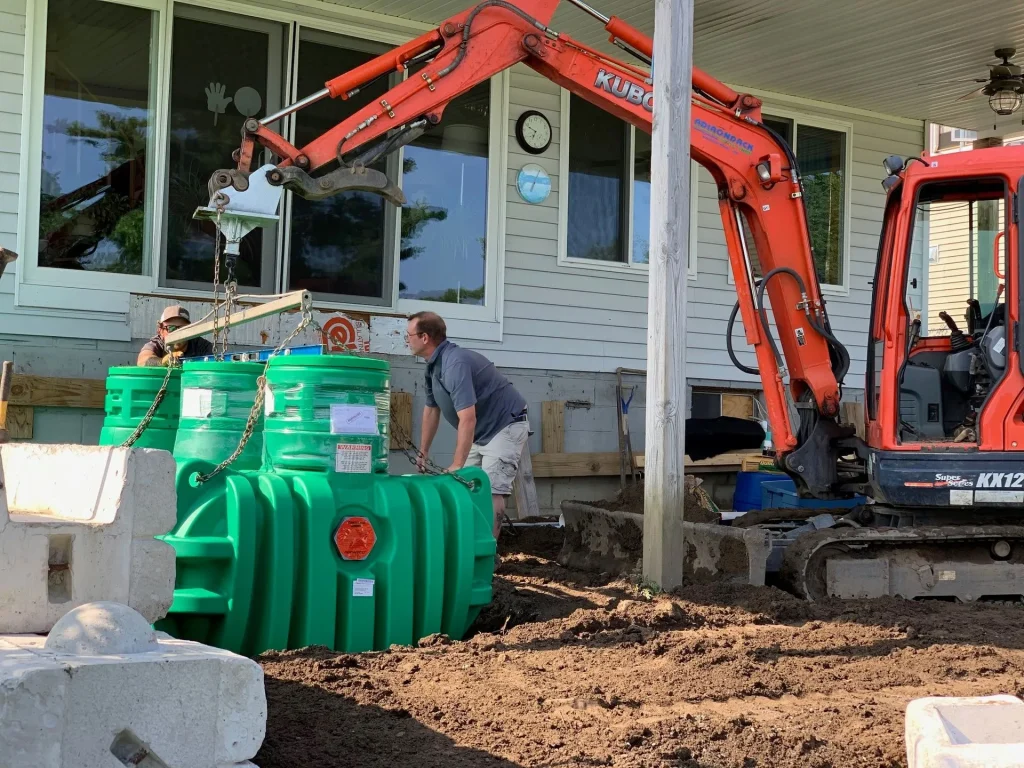
The Norweco Singulair Green is part of that category. It is designed to treat wastewater more actively than a standard septic tank alone. A conventional septic system mostly separates solids and sends partially treated effluent to a disposal field. A treatment unit like this adds aeration and mechanical treatment components, which can improve effluent quality before it reaches the next stage of disposal.
That matters in a practical sense, not just on paper. Cleaner effluent can help a site meet local design requirements where a conventional setup may not have been acceptable. For a buyer, though, the key insight is simple: if the home has a Norweco Singulair Green in Wantage NJ, the system likely exists for a reason tied to the property’s conditions or regulatory approval. You should assume the system is integral to the home’s legal and functional use, not an optional add-on.
What a Norweco Singulair Green actually is
At a basic level, this is an aerobic treatment system. Unlike a traditional septic tank that relies heavily on settling and anaerobic digestion, an aerobic unit introduces oxygen into the norweco singulair green Wantage NJ treatment process. That oxygen supports different bacteria, which break down waste more aggressively. The result can be higher-quality treated effluent, assuming the system is operating properly and maintained as intended.
The important phrase there is “assuming the system is operating properly.” This is not a passive concrete box buried in the yard. It is a mechanical wastewater treatment system. It may include electrical components, controls, aeration equipment, alarms, and service requirements. In real estate terms, that means you are not just buying a tank and a field. You are buying a small treatment plant sized for a house.
That sounds dramatic, but it is the cleanest way to think about it. Homes with these systems often work perfectly well for years. The trouble starts when a buyer treats it like a conventional septic tank, ignores service intervals, or never reads the alarm panel until something fails.
The first mistake buyers make
The most common mistake is assuming a passing general home inspection tells the whole story. It does not.
A home inspector may note the presence of an advanced wastewater system, identify obvious issues, and suggest further review. That is useful, but it is not enough. A proper septic inspection for an aerobic treatment system should be performed by a qualified septic professional, and preferably by someone familiar with that type of unit. If possible, you also want documentation from the current service provider.
I have seen buyers focus intensely on roof age, furnace condition, and basement moisture, then accept a vague comment like “private septic appears functional.” That is not nearly specific enough when the property relies on an advanced treatment unit. If a blower is failing, if an alarm has been bypassed, if maintenance has lapsed, or if the disposal field is stressed, those problems can be expensive and time-consuming after closing.
What you should verify before you buy
When reviewing a home with a Norweco Singulair Green system, treat the wastewater system as a major mechanical and site component. You are not being difficult. You are doing due diligence.
Here are the five things I would want answered before the end of attorney review or inspection contingency:
- What exact system components are installed, and where are they located on the property?
- Is there a current as-built, permit file, or approved design on record with the relevant local or county authority?
- Who has been servicing the system, and can the seller provide maintenance records for at least the last few years?
- Are there any active alarms, known malfunctions, pumping needs, or repairs recommended right now?
- What are the ongoing service, power, and pumping costs for this specific home?
That short list reveals a lot. A seller who has owned the home for years and cannot produce any service history may simply be disorganized, but it can also point to neglect. A seller who says the system “never needed anything” may not realize that regular maintenance is itself part of proper operation.
Maintenance is not optional
This is the point buyers often underestimate. A conventional septic system still needs pumping and sensible use, but it can go unnoticed for long stretches if the household is lucky and usage is moderate. A Norweco Singulair Green is less forgiving of indifference.
Advanced treatment systems commonly require periodic inspection and service. That may involve checking aeration, control functions, sludge levels, clarifier condition, filters if present, and overall treatment performance. Depending on local requirements, permit conditions, and the specific installation, there may also be a service contract expectation or recommendation. You should ask directly whether one exists and whether it is transferable.
Power matters too. If the system relies on electrical equipment, a prolonged outage can affect treatment. That does not mean every power flicker becomes a disaster, but it does mean the system is not entirely passive. If the home is in a location where outages happen during storms, this is worth discussing. Some owners in rural areas think about backup power for well pumps and heating systems first, which makes sense, but if the wastewater system is electrically dependent, it belongs in that conversation.
Costs vary by provider, region, and the condition of the system, so anyone who quotes a universal number is guessing. Still, buyers should expect recurring maintenance expenses beyond what a standard septic tank might norweco singulair green Wantage NJ require. There may also be periodic pumping costs and eventual component replacement. A small annual maintenance budget is not a reason to walk away from a property, but failing to budget for it is a mistake.
The disposal field still matters
A cleaner treatment process does not eliminate the importance of the downstream disposal area. Buyers sometimes hear “advanced treatment system” and assume the hard part is solved forever. It is not.
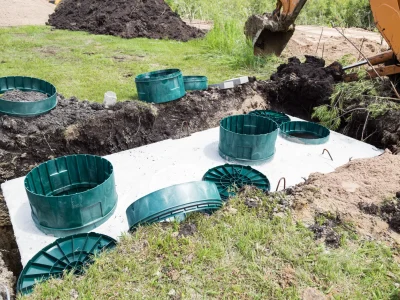
Even a well-maintained treatment unit depends on the rest of the approved system. If there is a disposal field, drip area, or other discharge arrangement tied to the design, that part of the system still needs to function. Wet spots, odors, lush isolated vegetation, backups, or recurring alarm conditions can signal trouble beyond the treatment tank itself.
This is especially important on properties where site constraints drove the use of an advanced system in the first place. If the lot has marginal soils, tight room for replacement, or environmental limitations, repairs may be more complex than on a wide-open property with an easily expanded conventional field. That does not mean the property is unbuyable. It means your margin for casual decision-making is smaller.
Records tell a story that sellers often cannot
Many homeowners can tell you the age of their water heater within a year or two. Fewer can give a clear, confident account of their septic system history. That is not always negligence. People inherit houses, move in after the system was already there, or simply rely on a contractor and forget the details.
Records fill that gap. Service invoices, pumping receipts, permit documents, prior repair notes, and design plans can reveal whether the system has been stable and cared for or whether it has been limping along.
A healthy paper trail often looks boring. That is exactly what you want. Routine service visits, occasional pumping, maybe a replaced component here or there, and no frantic emergency calls. What gives me pause is a complete absence of records, repeated alarm issues without follow-through, or evidence that the system was modified without clear approvals.
If you are buying in Wantage, ask your real estate attorney and inspector how local files are typically obtained. Sometimes municipal or county health department records can clarify system type, approved bedroom count, and prior permits. The approved bedroom count matters because onsite systems are typically designed around anticipated daily flow. A four-bedroom home marketed aggressively for large occupancy should match the system approval. If the house was expanded or finished later, that is even more important to verify.
Bedroom count and real-world occupancy
This is one of those issues that catches buyers after they move in. The system may have been designed for a certain number of bedrooms, which corresponds to expected wastewater flow. The home, however, may now have a finished basement office, bonus room, or den that functions like sleeping space in practice.
Lenders and appraisers may have one view of the property. The building department may have another. The septic approval has its own implications. If you routinely host guests, have a large household, or plan to add living space, the existing approval matters.
It is not about semantics. It is about hydraulic loading. A house that constantly exceeds its wastewater design assumptions puts stress on the entire system, even if everything is technically “working” at the moment. That is why one of the smartest questions a buyer can ask is not “Can the system handle us?” but “What was this system actually approved to serve?”
What a good inspection should include
A proper evaluation should go beyond lifting one lid and declaring the tank “full” or “not full.” For an advanced treatment unit, the inspector or service professional should assess operational condition, not just existence. The exact scope depends on access, system design, weather, and local practice, but buyers should expect something more thoughtful than a drive-by opinion.
A strong inspection process usually includes locating components, checking the treatment unit’s condition, reviewing alarms and controls, evaluating sludge and scum accumulation where relevant, and examining evidence of proper discharge or disposal. The inspector may also discuss signs of hydraulic overload, deferred pumping, infiltration issues, or component wear.
Some buyers balk at paying for specialized septic review on top of general home inspection, radon testing, well water testing, and everything else. I understand the fatigue. But if the property’s ability to legally and safely handle wastewater depends on a system you do not understand, this is not the place to economize.
Red flags that deserve a slower decision
Not every imperfection is a deal-breaker. Pumps fail. Aerators wear out. Alarms need replacement. Those can be normal ownership events. What matters is whether the issue is isolated and manageable or part of a broader pattern of neglect.
These red flags warrant extra scrutiny:
- Missing maintenance history over a long ownership period
- Seller disclosures that mention odors, backups, or recurring alarms
- Evidence of recent pumping done right before listing, with no explanation
- Wet ground or sewage smell near the treatment or disposal area
- Additions or bedroom changes that may not align with system approval
I remember one transaction where the sellers proudly reported the tank had been pumped “so the buyers wouldn’t have to worry.” That sounded thoughtful at first. Once records were pulled, it turned out the pumping had followed indoor backups during holiday occupancy. The pumping itself was not the issue. The issue was why it became urgent. A deeper inspection found downstream problems that would have become the buyer’s headache within months.
Living with one of these systems is not difficult, but it is different
A lot of fear around advanced septic systems comes from unfamiliarity. Owners hear mechanical terms and imagine constant repairs. Most of the time, ownership is far less dramatic. If the system is properly designed, installed, and serviced, day-to-day life feels ordinary. You use water normally, avoid flushing inappropriate items, keep up with service, and pay attention if the alarm activates.
Where people run into trouble is treating the system as invisible. Wipes, grease, harsh misuse, neglected alarms, and years without professional attention can turn a manageable setup into an expensive one. The same is true, to some degree, for any septic system, but advanced units are less suited to the “ignore it until it fails” style of ownership.
For buyers relocating from public sewer, this is often the biggest mindset adjustment. Municipal sewer service is easy to forget because the infrastructure is someone else’s problem. Private onsite systems make you the utility customer and, in a sense, the utility operator. That does not need to scare you. It just means private system ownership comes with responsibility.
How this affects value and marketability
A Norweco Singulair Green system does not automatically hurt value. In some cases, it is simply the correct approved solution for the site, and informed buyers accept that. Problems arise when the system is undocumented, poorly maintained, or misunderstood by everyone in the transaction.
From a resale perspective, clarity helps. A seller who can produce approvals, maintenance history, recent service notes, and evidence of proper care usually has a smoother conversation with buyers. A seller who shrugs and says “it’s some kind of special septic” invites anxiety and aggressive negotiation.
If you are the buyer today, think one sale ahead. If you purchase the home, keep your own records organized. Save service invoices. Note pumping dates. Keep design documents in a house file. That small discipline pays off later.
Questions specific to Wantage and similar rural markets
Local practice matters more than many buyers realize. In rural northwestern New Jersey, septic systems are not rare edge cases. They are a standard part of the housing market. Still, each municipality and each file history can be a little different. The value of a local septic professional cannot be overstated.
A contractor who works regularly in Sussex County may spot patterns that a generalist misses. They may know which neighborhoods have challenging soils, where older approvals were handled a certain way, or how replacement options typically play out on constrained lots. That kind of local experience is hard to replicate with generic online research.
The phrase “norweco singulair green Wantage NJ” may show up in a listing, inspection note, or seller disclosure almost casually. Do not read past it. Read into it. It tells you the house relies on an advanced treatment approach, and that fact deserves the same level of attention you would give to a well, a foundation concern, or a roof near the end of its service life.
The better way to think about the decision
The right question is not whether a Norweco Singulair Green system is good or bad in the abstract. The right question is whether this specific system, on this specific property, is documented, compliant, functional, and realistically maintainable for your household.
If the answer is yes, then the system may simply be part of owning a home in Wantage, not a warning siren. If the answer is unclear, then your next step is not optimism, it is investigation. Ask for records. Hire the right inspector. Understand the approved use. Learn the maintenance expectations. Price future ownership honestly.
Buyers get into trouble when they confuse unfamiliarity with danger or, just as often, when they confuse seller confidence with proof. Neither is reliable. Good documentation, knowledgeable inspection, and practical judgment are reliable.
That is the lens to use when evaluating a home with a Norweco Singulair Green in Wantage NJ. Not fear, not sales language, just careful due diligence grounded in how these systems actually work.
Excavating New Jersey LLC
406 County Rd 565
Wantage, NJ 07461, United States
Phone: +1 (973) 791-4284
FAQ About norweco singulair green Wantage NJ
How does a Norweco septic system work?
Singulair Green uses aerobic biological treatment in a polyethylene tank, followed by settling and filtration. The treatment unit is one part of a complete wastewater system; the site design also determines how treated effluent is dispersed.
How much does a Norweco septic system cost in NJ?
A useful estimate requires a property evaluation. Excavation access, soil conditions, engineering, electrical work, the disposal field, and restoration can affect the total. Ask Excavating New Jersey LLC for a written scope that distinguishes installation costs from ongoing service costs.
Are Norweco septic systems good?
Singulair Green is an established aerobic treatment option, but suitability depends on the property and proposed design. Compare the model's documented performance, maintenance needs, and total project scope with alternatives before deciding.