The Value of Professional Septic Services in Wantage NJ

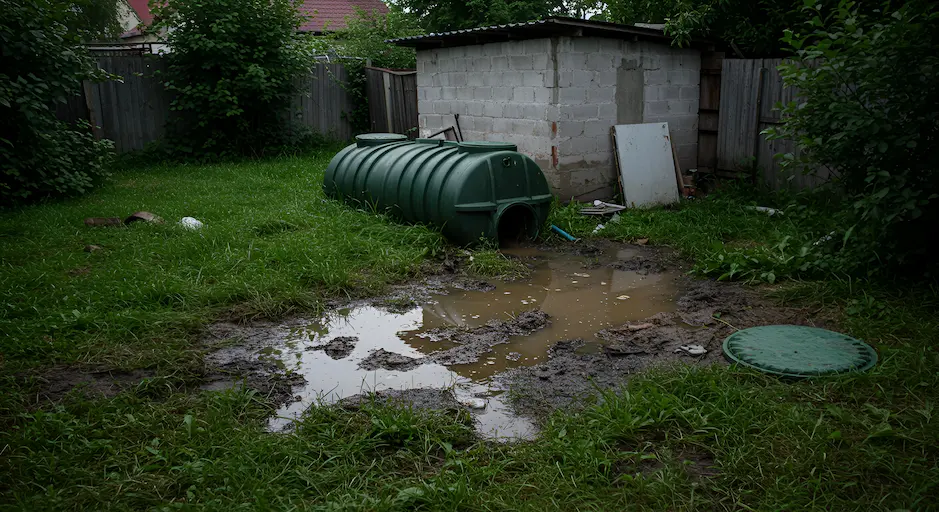
Owning a home with a septic system changes the way you think about plumbing, wastewater, and even the ground beneath your yard. In Wantage, NJ, where many properties rely on onsite wastewater treatment instead of municipal sewer lines, septic performance is not a minor maintenance issue. It is central to health, safety, property value, and day to day comfort.
A septic system tends to stay out of sight and out of mind until something goes wrong. That is part of the problem. Unlike a furnace that rattles before it fails or a roof that shows visible wear, a septic system can quietly drift toward trouble for months or years. By the time a homeowner notices slow drains, sewage odors, soggy patches in the yard, or backups in the house, the damage may already be expensive.
That is where professional septic services matter. Not occasional guesswork, not a rushed pump-out with no inspection, and not the kind of advice that starts with, “You can probably wait another year.” Proper septic work is preventive, diagnostic, and highly practical. It protects both the system and the property around it.
In Wantage, those details matter even more because local conditions can be unforgiving. Weather swings, seasonal rainfall, winter freezing, tree roots, older homes, and changing household water use all affect septic performance. A professional who understands septic services Wantage NJ homeowners actually need brings more than a truck and a hose. They bring judgment, local familiarity, and the ability to spot issues before they turn into excavation projects.
What a septic system is really doing every day
A septic system is not just a tank in the ground. It is a working treatment system that separates solids, processes wastewater, and disperses effluent into the soil under carefully balanced conditions. The tank holds wastewater long enough for solids to settle and oils to float. The partially clarified liquid then moves out to a distribution area, often called the drain field or leach field, where the soil provides further treatment.
When the system is healthy, this process is quiet and invisible. Toilets flush normally. Showers drain quickly. The yard stays dry. The tank accumulates sludge and scum at a predictable rate, and periodic pumping removes that buildup before it reaches a damaging level.
When the system is neglected, the balance changes. Excess solids can move out of the tank. Baffles can fail. Distribution lines can clog. Soil in the drain field can become overloaded. Heavy water use can reduce the time wastewater has to separate properly. None of this is theoretical. It is the ordinary path by which a septic system slips from routine maintenance into a major repair.
Professional septic services help interrupt that chain early, when the fix is still manageable.
Why homeowners in Wantage face a different set of risks
Rural and semi-rural properties often have more land, but they also carry more infrastructure responsibility. If you are on a septic system in Wantage, you are effectively running a private wastewater treatment setup on your own property. That means your maintenance choices affect not only your home, but also your well water, your soil conditions, and in some cases nearby properties or drainage areas.
Northern New Jersey weather adds stress. A wet season can saturate soils and slow absorption. A dry period can create its own problems if usage patterns change sharply or if soils shrink and settle in ways that affect distribution. Freezing winters matter too. If a system is shallow, underused, or poorly protected, frost can interfere with function. I have seen seemingly small winter issues become spring emergencies because a homeowner assumed the problem would “thaw out” on its own.
Older properties in Sussex County also present a common challenge. The home may have been renovated, expanded, or occupied by a larger family than the septic system was originally designed to handle. A three bedroom house from decades ago may now have more bathrooms, a finished basement, high-capacity laundry equipment, and heavier daily flow than its original layout ever anticipated. Professional septic services are valuable partly because they account for how the home is actually used now, not just how it was built.
The difference between pumping and professional service
A lot of homeowners think septic maintenance begins and ends with pumping. Pumping is essential, but it is only one part of proper care. A tank can be pumped clean and still have a failing baffle, a cracked lid, root intrusion, a blocked outlet filter, or early signs of drain field stress. If no one checks those components, the homeowner pays for service without gaining real protection.
Professional septic services usually include assessment as well as removal. The technician is looking at tank levels, inlet and outlet condition, sludge and scum accumulation, signs of backflow, evidence of structural damage, and whether wastewater is moving as it should. A strong service visit answers practical questions. Is the pumping interval appropriate for the household size? Are wipes or grease creating problems? Is there evidence the field is receiving solids? Does the homeowner need repairs now, or simply a tighter maintenance schedule?
That diagnostic layer is where value shows up. It is the difference between maintenance and mere cleanup.
The hidden cost of waiting too long
Septic problems often become expensive because people wait for certainty. They want a clear failure before spending money. By then, the most affordable options may already be gone.
A routine pumping and inspection might cost a few hundred dollars depending on tank size, access, and site conditions. A more involved repair, such as replacing a damaged baffle or clearing a blockage, costs more but is still often manageable. A compromised drain field, by contrast, can become a major project involving soil evaluation, permits, excavation, replacement components, and landscape disruption. On some sites the cost can climb dramatically due to grading, access limitations, or groundwater issues.
The financial side is only half the story. A septic backup can put bathrooms and laundry out of service, create indoor sanitation concerns, and force a family into temporary workarounds no one wants. If you are trying to sell the home, septic trouble can delay or derail the transaction. Buyers become cautious quickly when wastewater systems are involved, especially if records are https://maps.app.goo.gl/wVwDDendX5XK3hBt7 missing or symptoms are recent.
Professional septic services reduce the odds of being cornered into a high-cost, low-choice situation.
What experienced septic professionals tend to catch early
The best service calls are often the least dramatic. Nothing is overflowing, but something small is off. A seasoned technician notices the pattern and recommends a fix before it grows.
Here are a few issues professionals commonly catch before homeowners do:
- Sludge levels rising faster than expected because the household size changed or water use increased.
- Effluent filters beginning to clog, often from wipes, grease, or excess solids.
- Baffles deteriorating, which can allow solids to move where they should not.
- Surface moisture or subtle drain field softness that suggests poor absorption.
- Access lids, risers, or covers in poor condition, creating both maintenance and safety concerns.
None of those items is glamorous, but each one can prevent a much larger problem. That is one reason septic services Wantage NJ property owners rely on should never be reduced to “just pump it and go.”
Why local experience matters more than homeowners realize
Septic work is highly site-specific. The same symptom can mean different things on different properties. Slow drains might reflect a house plumbing issue, a full tank, a blocked filter, saturated field conditions, or a pump problem in an advanced system. Without local experience, service can become trial and error.
A provider familiar with Wantage and the surrounding area has an advantage. They have seen how certain soil types behave in prolonged wet weather. They know the kinds of system layouts common in older homes. They understand seasonal access issues, permit expectations, and the practical challenges of properties with slopes, mature trees, or additions placed near original system components.
That local perspective saves time and prevents misdiagnosis. It also helps homeowners make sensible decisions. A generic recommendation may sound fine on paper but fail under the conditions of a specific lot. Good septic professionals do not just know systems in the abstract. They know how systems behave in the places where they service them.
The role of routine maintenance in preserving drain field life
The drain field is often the most expensive part of the system to repair or replace, yet many of the habits that shorten its life begin inside the home. Flushing wipes, sending grease down the kitchen sink, overloading the system with laundry in a single day, or ignoring the pumping interval all increase strain. Once solids migrate into the field, restoration becomes difficult and sometimes impossible.
Routine professional maintenance protects the field by keeping the tank functioning as a separator rather than a pass-through chamber. That sounds simple, but it is foundational. The tank’s job is to hold back solids. If it fails to do that, the field absorbs the consequences.
A well-maintained septic system can last for decades. A neglected one may fail much sooner, even if it seemed fine for years. Longevity depends less on luck than on management.
What homeowners should expect from a quality septic service visit
Not every service call is equally thorough. Homeowners should expect more than a rushed appointment and a receipt. A quality provider explains what they found in plain language. They tell you whether the tank level and contents looked normal, whether components appear intact, and when they recommend the next service. If they see signs of trouble, they should be able to describe the risk clearly rather than defaulting to alarm.
A good service relationship also improves recordkeeping. Septic systems are much easier to manage when a homeowner knows the tank size, location, service history, repair history, and any special features such as filters or pumps. This matters during home sales, renovations, and emergency calls. It also matters when different family members need to coordinate care over time.
For owners who have recently purchased a home, one of the smartest first steps is simply establishing a baseline. If the service history is unclear, professional septic services can determine current condition and help build a realistic maintenance plan from there.
Common warning signs that deserve prompt attention
Some septic symptoms are obvious. Others are easy to rationalize away. Homeowners often dismiss early warning signs because the problem seems intermittent. That is risky. Septic issues rarely improve on their own.
The signs that deserve prompt professional attention include the following:
- Toilets or drains that gurgle, bubble, or empty more slowly than normal
- Sewage odors indoors, near the tank, or over the drain field area
- Wet, unusually green, or spongy patches in the yard
- Backups at the lowest drains in the home, especially after laundry or heavy water use
- Standing water near septic components, even if the house plumbing still appears to work
These signs do not always mean full system failure, but they do mean the system needs evaluation. Early response often creates more options and lower cost.
Septic inspections during real estate transactions
One place where professional septic services prove their value quickly is in a property sale. Buyers want confidence. Sellers want a clean transaction. Lenders, attorneys, and inspectors all prefer clarity. A septic system with no recent records creates uncertainty, and uncertainty tends to slow deals down.
A proper septic inspection is not a formality. It can reveal deferred maintenance, improper alterations, hydraulic stress, structural issues, or signs that the system is serving a larger occupancy than designed. In some cases the system is perfectly serviceable but simply overdue for pumping or documentation. In others, the inspection uncovers problems that need repair before a sale can proceed smoothly.
For sellers, handling septic maintenance before listing a property often makes practical sense. It reduces surprises, strengthens buyer confidence, and puts the homeowner in a better position to address issues on their own timetable rather than under contract pressure. For buyers, a professional evaluation offers insight into what they are inheriting and how to care for it responsibly.
The real value is judgment, not just equipment
Septic trucks, pumps, hoses, and excavation tools matter, but the true value of professional service lies in judgment. Septic work is full of variables. One system can be pumped and left alone for years with no trouble. Another may need closer monitoring because of household size, site limitations, or prior damage. There is no responsible one-size-fits-all answer.
Experienced professionals make distinctions that save money and prevent overreaction. They know when a symptom points to a simple blockage rather than a field failure. They know when a homeowner can extend system life with better water management and timely pumping. They also know when not to offer false reassurance. If a component is failing, or if field conditions look poor, a homeowner deserves an honest assessment.
That kind of judgment is difficult to price until you compare it with the cost of guesswork. Misdiagnosis wastes money. Delayed action increases damage. Unnecessary excavation disrupts the property and adds stress. Sound professional advice narrows the problem, sets priorities, and helps homeowners spend where it actually matters.
Why “do it yourself” has hard limits with septic systems
Many home maintenance tasks reward a hands-on attitude. Septic systems are different. There is a reason professional septic services exist as a specialized field. Tanks can contain hazardous gases. Covers can be unsafe. Diagnosing flow, sludge accumulation, baffling issues, and field behavior requires experience. In some cases, work may also intersect with local requirements and documentation.
Homeowners absolutely should learn how to use their systems well. They should know where key components are, what should never be flushed, and how to manage water use. But inspection, pumping, and repair are not casual weekend projects. The risk of missing a serious issue, or creating one, is simply too high.
There is also a common trap in relying on additives, miracle treatments, or internet shortcuts. No bottle can replace solids removal. No quick fix reverses a structurally damaged tank. Some products may do nothing at all, while others can disrupt the balance of the system or create false confidence that delays necessary service.
Protecting health, water quality, and property value
Septic maintenance is often discussed as a cost, but in practice it is a form of protection. It protects household sanitation first. Nobody wants sewage where it does not belong. It protects groundwater and nearby water sources by helping wastewater stay within the treatment path it was designed to follow. It protects landscaping from disruptive repairs and soggy failures. And it protects resale value by showing that the home’s core infrastructure has been managed responsibly.
This is especially important in areas where buyers expect septic systems to be part of rural homeownership but still want reassurance that they are inheriting a system, not a problem. A documented history of professional septic services signals care. It tells the next owner, appraiser, or inspector that the property has not been run on neglect.
Building a sensible maintenance plan in Wantage
The best septic plan is not complicated. It is simply disciplined. It starts with understanding the system you have, the number of people using it, and the service history to date. From there, a professional can recommend a pumping interval that fits the household rather than relying on vague averages. Some homes can go longer between visits. Others, especially those with larger families or heavier laundry use, need closer attention.
Maintenance planning should also account for changes. A new addition, frequent guests, a finished basement, or even a shift to working from home can raise daily wastewater volume. These lifestyle changes matter. What worked for a retired couple may not work for a family of five.
For homeowners searching for septic services Wantage NJ providers, the goal should be long-term reliability rather than the cheapest single visit. The right company becomes a practical partner in managing one of the home’s most important systems. They know the property, keep records, and help the owner make decisions before urgency takes over.
That is the real value of professional septic services. They turn a hidden, easy-to-ignore system into one that is monitored, understood, and far less likely to produce the kind of surprise no homeowner wants.
Excavating New Jersey LLC
Address: 406 County Rd 565, Wantage, NJ 07461
Phone number: +19737914284
FAQ About Septic Services Wantage NJ
What is the average cost to get a septic tank emptied?
Emptying a septic tank costs between $290 and $560 on average, with most homeowners paying about $420. Prices vary based on tank size.
What is septic service?
Septic service inspects, pumps, cleans, and maintains a septic tank. A septic tank is a large, underground container that collects and treats wastewater from your home. Over time, sludge, scum, and other debris, like hair and solids, can build up in your tank and clog your drain field.
How often should you have a septic tank serviced?
A standard septic tank should be inspected every 1 to 3 years and pumped every 3 to 5 years. However, the exact schedule depends on your tank's capacity, household size, and daily water usage.