Norweco Singulair Green Care Guide for New Owners
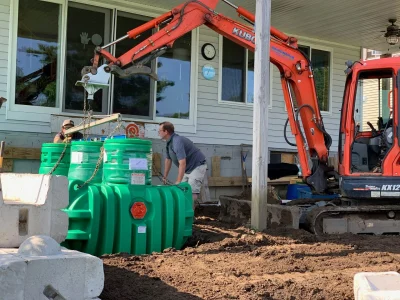

Buying a home with a Norweco Singulair Green system can feel like inheriting a piece of equipment nobody bothered to explain. It is not quite a conventional septic tank, and it is not a municipal sewer connection either. It sits in that middle ground where wastewater treatment happens on your property, quietly, every day, and where a little attention makes a very real difference.
For new owners, the first challenge is usually uncertainty. You hear the aerator running, you notice a control panel or alarm, and you wonder what counts as normal. That uncertainty is understandable. The good news is that a Singulair Green system is designed to be robust and homeowner-friendly compared with many advanced treatment setups. The less comforting truth is that neglect catches up with any on-site wastewater system, and it rarely does so at a convenient time.
A well-cared-for system protects your yard, your plumbing, and in many areas, your legal compliance as a property owner. It also protects groundwater and nearby surface water. Those outcomes sound abstract until the day a high water alarm sounds on a holiday weekend, or the drainfield area turns soggy after guests have spent several days at your house.
This guide is built around practical ownership, not sales language. If you are new to the norweco singulair green, the goal is to help you understand how it behaves, what it needs, and how to avoid the expensive mistakes that experienced service technicians see over and over.
What the system is doing behind the scenes
At a basic level, the Norweco Singulair Green is an on-site wastewater treatment system that uses aeration and clarification to treat household wastewater before it moves on for final disposal or dispersal, depending on the design installed at your property. In plain English, that means the system is actively treating sewage rather than just storing solids and letting partially treated liquid pass through like a standard septic tank.
That active treatment matters because the system depends on air, biological activity, and proper flow patterns. The wastewater enters the tank, solids settle or are retained, air is introduced to support aerobic bacteria, and treated water moves through later stages before discharge to whatever downstream component your property has, often some type of dispersal field or other approved outlet.
New owners sometimes make the mistake of thinking a more advanced treatment unit can handle more abuse. In practice, the opposite mindset is safer. Because the system relies on mechanical components and a balanced biological process, it benefits from steadier habits. It is not fragile, but it does expect you to treat it like a working utility.
The first month: learn your own installation
No two properties use these systems in exactly the same way. The tank size, alarm setup, outlet arrangement, service access, and local code requirements can all vary. One of the smartest things a new owner can do is spend an hour getting familiar with the installation before there is a problem.
Locate the treatment unit, any risers or access lids, the control panel, and the alarm. If there is a separate pump tank or downstream dosing component, learn where that sits as well. Some owners do not realize they have more than one buried component until a contractor points it out years later.
Try to gather the service records from the seller, builder, or previous maintenance provider. Even a thin folder with two pump-out receipts and an old inspection report is useful. It tells you who has worked on the system and whether it has a history of recurring issues. If no records exist, start your own file immediately. Put the installation details, serial numbers, service company contact information, and dates of any inspections in one place.
A technician can often tell a lot about a system in a single routine visit. I have seen owners save thousands simply by scheduling a baseline inspection right after moving in. The service professional found a weak aerator on one property and a failing float on another, both before a full backup occurred. That kind of early attention is cheaper than emergency excavation.
What “normal” looks and sounds like
One norweco singulair green reason owners worry is that these systems make themselves known. A conventional septic tank usually does nothing noticeable from day to day. A Singulair Green may have audible equipment, alarms, or inspection ports that make people nervous.
A low, steady operating sound from the aeration component is often normal. A sudden change in sound is what deserves attention. A harsh rattling, a complete silence where there used to be a hum, or an alarm panel showing fault conditions should not be ignored. Do not assume an alarm is a glitch. Wastewater systems rarely invent warnings for fun.
The yard above the unit should remain reasonably dry under ordinary conditions. After heavy rain, surface conditions can be misleading, especially if the entire yard is saturated. What matters is pattern and persistence. If one area above or beyond the system stays wet, spongy, or unusually green when the rest of the yard dries out, that is worth investigating.
Indoors, drains should work normally. Slow fixtures throughout the house, gurgling, sewage odors, or backups on the lowest level can point to problems in the plumbing, the treatment unit, or the downstream disposal area. The system does not have to fail completely before it starts sending subtle signals.
Water habits matter more than most people expect
The single biggest favor you can do for a norweco singulair green system is to spread out water use. Hydraulic overload is one of the most common stressors for on-site treatment systems. The biology may be healthy and the mechanical parts may be fine, but too much water in too short a period pushes solids and partially treated wastewater farther than they should go.
That often happens in perfectly ordinary homes. Two back-to-back loads of laundry may not matter. Six loads in one afternoon, combined with long showers for guests and a dishwasher cycle, absolutely can. The problem is not one dramatic event, but repeated surges that become a lifestyle.
Leaky toilets are another quiet offender. A toilet that runs intermittently can send hundreds of gallons per day into the system without anyone noticing. On advanced treatment units, that extra flow dilutes and disturbs the treatment process while also overloading the downstream dispersal area.
If you have a large family or frequent guests, think in terms of rhythm. Wash laundry across the week. Repair leaking fixtures quickly. Avoid draining hot tubs, water softener backwash, or other unusual discharges into the system unless your installer or service provider has explicitly confirmed the setup can handle them. Many owners assume “it all goes to the same place” and learn otherwise the hard way.
The materials your system can and cannot handle
A Norweco system treats domestic wastewater, not every fluid or disposable product a household can generate. This sounds obvious until you look at what service contractors routinely pull from access ports and pumps. Wipes labeled flushable, paper towels, grease, hygiene products, dental floss, cotton swabs, and kitchen solids all show up regularly.
Even products that technically pass through a toilet or sink opening can interfere with treatment or maintenance. Grease is especially troublesome. It cools, congeals, coats internal surfaces, and adds avoidable solids loading. Strong chemical discharges are another issue. Bleach used in normal household cleaning is one thing. Dumping leftover paint, solvents, pesticides, or large amounts of caustic drain opener into the plumbing is another.
The biology in the system is working for you every day. Treating it like a chemical disposal route makes that job harder. Think of the system less as a bottomless pit and more as a small treatment plant scaled to a house.
The handful of habits that prevent most trouble
New owners often ask for one simple rulebook. Real life is messier than that, but a few practices cover most of the avoidable damage.
- Spread out laundry and other high-water activities rather than stacking them into one block of time.
- Keep grease, wipes, feminine products, paper towels, and non-biodegradable items out of drains and toilets.
- Respond to alarms, odors, or wet areas promptly instead of waiting to see whether they disappear.
- Maintain service records and stick to inspection and pumping intervals recommended for your household and local code.
- Keep vehicles, heavy equipment, and deep-rooted plantings away from the tank and disposal area.
Those points sound basic because they are basic. They also account for a large share of the difference between systems that run quietly for years and systems that become a repeated source of expense.
Why regular service is not optional
The marketing around residential treatment systems sometimes leads owners to believe the unit “takes care of itself.” It does not. It automates treatment, but it still needs periodic inspection, solids management, and mechanical checks.
A trained service provider typically looks at aeration performance, sludge and scum levels, signs of carryover, alarm function, and the condition of any pumps, floats, filters, or electrical components associated with the system. Depending on local regulations, some jurisdictions require a maintenance contract or documented service visits for advanced treatment units. Even where they do not, routine oversight is worth the cost.
Pumping frequency depends on tank size, occupancy, water use, and what enters the system. Because those variables differ widely, it is better to rely on measured solids levels and service guidance than on a generic “every X years” promise. Some households can go longer. Others need more frequent attention. The owner who hosts extended family all summer and works from home full-time does not generate the same loading as a retired couple who travel often.
I have seen one common mistake repeatedly: a homeowner delays pumping because the drains are still working. That logic fails because pumping is preventive, not reactive. By the time indoor plumbing acts up, the issue may already involve the downstream area, which is where repairs get expensive.
Yard care around the system
A neat yard can accidentally become a hard-on the-system yard. Owners improve landscaping without realizing what lies underneath.
The area over and around the treatment unit and disposal components should not support heavy traffic. Cars, boats, trailers, and even repeated mower or utility vehicle passes can compact soil or damage buried parts. Compaction reduces the soil’s ability to accept treated water and can shorten the life of the dispersal area.
Roots are another slow-motion problem. Trees and aggressive shrubs do not need to be planted directly on top of the system to cause trouble. Roots seek moisture and can exploit joints, lines, and disturbed soil corridors. Grass is usually the safest cover. Deep-rooted ornamentals are not.
Surface drainage matters too. You do not want roof runoff, sump discharges, or hillside drainage pouring onto the disposal area. Extra water from outside the house steals treatment capacity from the water the system is meant to receive.
Cold weather, storms, and power outages
Because the Singulair Green includes active components, weather events affect it differently than a passive septic tank. Cold climates can introduce frost concerns, though buried components are often protected by soil cover and normal use. The bigger winter risk on many properties is changing household behavior. Large holiday gatherings, frozen plumbing quirks, and compacted snow from vehicle traffic can all stress the system more than cold alone.
Storms bring two concerns: power and groundwater. During a power norweco singulair green outage, the treatment process may be interrupted, and if your installation includes pumping components, wastewater movement may be affected. That does not always create an emergency, but it is a good reason to reduce water use until power is restored. Treat the system conservatively. Short showers beat long ones. Postpone laundry. Hold off on the dishwasher if you can.
Periods of heavy rain or snowmelt can saturate the soil around the disposal area. When the ground is already waterlogged, the system has less room to disperse treated effluent. Indoor water conservation during those periods is practical insurance, not overreaction.
Signs that deserve a service call
Some problems can wait for your next scheduled maintenance visit. Others should move to the top of your list. New owners sometimes hesitate because they do not want to overreact or pay for a needless call. Most service companies would rather answer a manageable problem early than arrive after sewage has surfaced.
Watch for these warning signs:
- A control panel alarm, warning light, or sudden change in operating sound
- Persistent sewage or sulfur-like odors near the unit, yard, or inside the house
- Slow drains or backups affecting multiple fixtures, especially on the lowest floor
- Wet, spongy, or unusually lush areas near the tank or disposal field during otherwise dry weather
- Plumbing behavior that changes suddenly after rain, heavy guest use, or a power event
Context matters. A single slow sink may just be a local clog. A whole-house pattern is different. Likewise, one puddle after a thunderstorm means less than a damp zone that lingers for a week in fair weather.
Additives, shortcuts, and other tempting bad ideas
Most experienced wastewater professionals have a short list of products and shortcuts they wish homeowners would stop trusting. Miracle septic additives rank high on that list. Some are harmless, some are questionable, and very few replace the need for inspection and pumping. A treatment unit that is overdue for solids removal will not be rescued by a bottle from the hardware store.
The same goes for “cleaning” the system with aggressive chemical dumps. Owners sometimes pour large doses of bleach or drain chemicals into the plumbing after a backup, hoping to fix odor or flow. More often, that adds stress to the biology without solving the actual issue.
Another shortcut is resetting an alarm without investigating why it activated. If your panel allows silencing or resetting, use that feature only as a temporary measure while arranging service, not as a way to make the problem disappear from sight. Alarm conditions exist for a reason.
Working with service professionals effectively
A better relationship with your service provider usually leads to better system performance. That is not just because of technical skill. It is because good information helps a technician diagnose what is happening.
When you call, explain whether the issue involves an alarm, odor, wet area, or indoor plumbing symptoms. Mention recent heavy water use, storms, power outages, or changes in occupancy. If the system has not been serviced in years and you are a new owner, say so plainly. There is no prize for pretending the maintenance history is better than it is.
Ask for the practical version of the visit summary. Homeowners benefit from hearing not just what component was checked, but what your day-to-day behavior should be afterward. If a technician says sludge levels are getting high or aeration output is weakening, note the timing for follow-up. If local regulations require inspection reports, keep copies organized.
It is also worth asking the provider to identify all components on your property during a routine visit. Many owners are surprised to learn where the full treatment and dispersal footprint extends. That knowledge can prevent later mistakes with fencing, patios, sheds, or tree planting.
Budgeting for ownership without guessing
No one likes vague advice like “set money aside,” but wastewater systems reward a realistic maintenance budget. Costs vary by region and configuration, so specific numbers can mislead, yet the categories are consistent. You should expect periodic service visits, occasional pumping, and eventual repair or replacement of wear items such as aeration components, pumps, floats, or electrical parts if your installation includes them.
The expensive scenario is not normal maintenance. The expensive scenario is deferred maintenance that allows a smaller issue to damage the downstream disposal area or create an emergency backup. That is where a modest annual service cost suddenly looks like a bargain.
One homeowner I knew postponed a recommended component repair because the house was selling “soon.” The sale dragged out, the unit alarmed repeatedly, and the overtaxed system ended up needing substantially more work before closing. The repair that felt skippable in spring became unavoidable, larger, and more expensive by late summer. Wastewater systems are indifferent to real estate timelines.
Living comfortably with the system
Owning a norweco singulair green does not mean living anxiously. It means developing a few steady habits and respecting the fact that your house has its own treatment plant. Once owners understand that, the system usually becomes much less mysterious.
Use water evenly. Keep problem materials out. Learn where the components are. Take alarms seriously. Schedule regular service before something smells wrong. Those are not glamorous responsibilities, but they are the ones that keep the system reliable.
Over time, you will get a feel for your installation. You will know what the panel normally shows, what the area looks like in wet versus dry seasons, and how your household’s routines affect performance. That familiarity is valuable. Most wastewater emergencies do not arrive without warning. They arrive after small clues were ignored or misunderstood.
A well-maintained Singulair Green can serve a household capably for years. New owners who approach it with a little curiosity and a little discipline usually find that it asks for far less attention than they feared, provided they give it the attention it actually needs.
Excavating New Jersey LLC
406 County Rd 565, Wantage, NJ 07461, United States
+1 973-791-4284
FAQ About norweco singulair green
How much does a NORWECO septic system cost?
The installed cost depends on the selected unit, engineering, site access, excavation, electrical work, disposal-field design and required approvals. A tank-only price is not a complete installation quote. Ask Excavating New Jersey LLC for a site-specific, itemized estimate that also explains ongoing service costs.
How does a Norweco septic system work?
The Singulair Green uses pretreatment, aeration, clarification and filtration to treat domestic wastewater. In the aeration chamber, oxygen supports bacteria that break down organic material. The Bio-Kinetic unit provides further filtration and flow equalization. Final effluent disposal must follow the property's approved design and applicable requirements.
What is the average lifespan of a septic system?
There is no guaranteed lifespan for every system. Design, installation, soil conditions, wastewater loading and regular maintenance all matter, and mechanical parts may need replacement before the tank. For a Singulair Green system, follow the manufacturer's service schedule and have a qualified provider assess its condition and pumping needs.