How Septic Engineering and Design in Wantage NJ Reduces Future Maintenance Problems
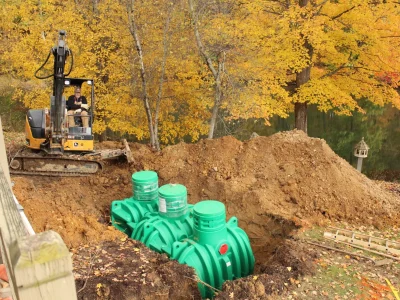
A septic system usually gets attention only when something has gone wrong. The lawn turns soft over the drain field. Toilets begin to gurgle after heavy rain. A pump tank alarm starts sounding on a Sunday afternoon. By that point, the owner is no longer thinking about plans, permits, or soil data. They are thinking about cost, disruption, and how quickly the house can get back to normal.
That is why good engineering matters so much at the front end. In a place like Wantage, NJ, septic performance is shaped by the land itself. Soil texture, seasonal groundwater, topography, winter conditions, lot layout, and the relationship between a home, a well, and the disposal area all influence how the system behaves over the next ten, twenty, or thirty years. Smart septic engineering and design Wantage NJ work does not simply satisfy a code requirement. It reduces the odds of chronic maintenance problems that can quietly drain money and patience.
I have seen the difference firsthand between systems that were thoughtfully matched to the site and systems that were pushed into the ground with minimal planning. The first group tends to age predictably. They still need pumping, inspections, and occasional repairs, but they do not constantly surprise the owner. The second group often develops the same pattern. Wet weather exposes weaknesses, usage spikes overwhelm storage or treatment capacity, and small service calls stack up into a much larger expense.
Maintenance problems usually start as design problems
Most people think of septic maintenance as a homeowner issue. Pump the tank on schedule. Avoid flushing wipes. Keep cars off the field. All of that matters, but many recurring service headaches trace back to decisions made before the first pipe was laid.
A drain field that is undersized for actual household use will work harder than it should from day one. A tank placed where access is difficult may go too long between pump-outs because service is inconvenient and more expensive. A pump chamber selected without enough reserve capacity may cycle too often, shortening pump life. Distribution lines installed on a slope without proper leveling can load one section of field more heavily than another. None of those problems look dramatic on a set of plans. Years later, they become very real.
In Wantage, where properties vary from relatively open rural lots to constrained sites with slope, wooded areas, rock, or challenging soils, the engineer’s judgment often determines whether a system remains manageable or becomes a constant maintenance item. Good design is partly math, partly code compliance, and partly practical field experience. The practical side is where long-term reliability is often won or lost.
Why Wantage sites need careful septic planning
No two lots behave exactly the same, even when they are on the same road. That is especially true in northern New Jersey, where site conditions can change quickly over short distances. One parcel may have usable native soils at a favorable depth, while the neighboring property may have seasonal saturation or restrictive layers that call for a very different approach.
Wantage also brings the realities of a four-season climate. Freeze-thaw cycles matter. Snowmelt matters. Spring rains matter. A design that looks adequate on paper during a dry season can reveal weaknesses when the water table rises or the surrounding soils stay wet for weeks.
There is also the issue of daily use patterns. Many homes no longer fit the neat assumptions older septic systems were built around. Households may have more bathrooms, larger tubs, laundry concentrated on weekends, finished basements, or home offices that keep people on site all day. Some properties host frequent guests. Others sit lightly used for periods and then see sudden spikes in occupancy. A system designed with realistic use in mind tends to need fewer emergency calls than one designed at the bare minimum.
That is where septic engineering and design Wantage NJ professionals can make a lasting difference. The best work does not just ask, “Will this pass today?” It asks, “How will this system handle ordinary life, bad weather, and gradual aging?”
Soil evaluation is the first layer of maintenance prevention
Homeowners often focus on the visible components of a septic system, the tank lids, the access risers, the control panel, the field area. The less visible part, the soil, is usually more important.
The drain field is not simply a place where water goes. It is part of the treatment process. Effluent leaves the tank and moves into soil that must accept, disperse, and help treat that wastewater. If the soil is too tight, water moves too slowly and the system backs up or ponds. If it is too coarse, the engineering approach must still ensure proper treatment and separation. If a seasonal high water table sits too close to the disposal area, performance can deteriorate during wet periods.
Careful testing helps identify these risks early. That includes soil logs, percolation or hydraulic considerations where required, and a realistic reading of how the lot behaves across seasons. This is where experience matters. A design professional who has worked across Sussex County conditions can often spot warning signs that a less site-aware approach might miss.
A common maintenance story starts with a field that technically fit the lot but was placed in an area with marginal drainage characteristics. For the first year or two, everything seems fine. Then a rainy spring arrives. The owner notices odors or slow drains. A pumper is called, then a plumber, then an electrician, even though the deeper issue is that the disposal area is operating with too little breathing room. Thoughtful soil-based design lowers the chance of that pattern.
Sizing is not just about bedroom count
Septic sizing often begins with standard assumptions tied to bedrooms or projected flow, but the engineer who stops there is leaving too much to chance. Real-world use has texture. A three-bedroom home with two retirees behaves differently from a three-bedroom home with teenagers, frequent guests, and a heavy laundry schedule.
Good design accounts for probable demand, not just minimum thresholds. That does not mean overbuilding carelessly. Oversizing can create its own issues if flows are too low for proper function in certain components. The point is balance. Tank volume, dosing strategy, pump controls, and disposal area configuration should work together so the system handles typical surges without constant stress.
This is one of the quieter ways future maintenance gets reduced. A well-sized system does not need to operate near its edge every holiday weekend or every stretch of heavy occupancy. Pumps cycle more reasonably. Solids have better retention in the tank. The field receives wastewater at a pace it can absorb. The owner experiences fewer nuisance symptoms that trigger service visits.
Layout decisions affect serviceability for years
I have walked sites where the hardest part of routine maintenance was simply reaching the system. The tank was buried deeper than necessary without practical risers. Access lids were hidden by landscaping. Pump tanks were positioned where service trucks struggled to get close enough. The owner paid more every time someone came out, and preventive maintenance was easier to postpone.
This is not glamorous design work, but it matters. A septic system should be serviceable. Access points should be planned, not treated as an afterthought. Components that require inspection should be reachable in bad weather, not only on a dry summer day. If a pump needs replacement ten years later, the route to that repair should not involve tearing out mature plantings or removing sections of hardscape.
On larger rural lots, there is sometimes a temptation to put the system wherever it is easiest during initial construction. That can be shortsighted. The better question is how the site will function over time. Will equipment have access? Is the field protected from future traffic? Is the reserve area preserved? Are grading patterns directing runoff away from the disposal zone rather than toward it?
Each of those choices reduces the chance that ordinary maintenance becomes complicated and expensive.
Drainage around the system is often underestimated
A septic system is designed to manage household wastewater, not unnecessary stormwater. Yet many maintenance complaints are tied, directly or indirectly, to poor site drainage.
Roof runoff that discharges near the disposal field can saturate the area. Driveway drainage can sheet water toward the system. Yard regrading done years after installation can trap water over key components. Even something as simple as a downspout extension ending in the wrong place can contribute to a wet field.
Strong engineering looks beyond the tank and trenches. It considers how surface water moves across the property and how that movement may change as the site matures. A field that stays relatively dry from above has a better chance of accepting treated effluent below. A field that constantly receives outside water is being asked to do two jobs at once.
This is one of the most practical examples of maintenance prevention because the benefit shows up repeatedly. Drier disposal areas usually mean fewer wet spots, fewer backups during storms, and less stress on pumps and control components.
The right system type can prevent years of nuisance issues
Not every Wantage property can use the same conventional approach. Some lots allow a straightforward gravity system with favorable soil and spacing. Others need pressure distribution, mounded systems, advanced treatment units, or other specialized designs because the site conditions demand it.
Homeowners sometimes hear that a more advanced system sounds like more maintenance, which can be true if the alternative would have been a simple gravity field on ideal soil. But on a constrained or difficult lot, selecting the wrong simple system often creates far more trouble than choosing the right specialized one. A properly designed pressure-dosed field, for example, may distribute effluent more evenly and protect the disposal area better than a less controlled alternative on a challenging site.
The trade-off is that specialized systems often require more deliberate oversight. Pumps, filters, floats, and control panels need periodic checks. Even so, predictable scheduled maintenance is preferable to chronic failure symptoms. The key is matching the technology to the site and the owner’s ability to maintain it responsibly.
That is where engineering judgment earns its value. Good designers do not automatically push the most complex option, and they do not force a simplistic design where the lot clearly needs something else. They weigh site limits, construction cost, long-term upkeep, and likely owner behavior.
Separation distances protect more than compliance
One of the least appreciated parts of septic design is spacing. Distances between the septic system, the well, property lines, structures, slopes, and water features are not just bureaucratic details. They reduce contamination risk, protect repair options, and preserve the system’s ability to function without interference.
A cramped layout can create future maintenance headaches in subtle ways. If a field is squeezed too tightly between other site features, repairs become harder. If tanks sit too close to areas likely to be built over later, access can be compromised. If replacement area planning is weak, an owner may have fewer options if the original field ever reaches the end of its life.
On older properties, especially those undergoing additions or redevelopment, thoughtful redesign can be the difference between a manageable system and a site boxed into expensive future choices. A little foresight during engineering often prevents a lot of regret later.
Construction quality matters as much as the plans
Even excellent engineering can be undermined in the field. Soil that was suitable when evaluated can be smeared or compacted by poor construction practices. Trenches can be cut in wet conditions that damage sidewalls and reduce infiltration. Elevations can drift if installation is rushed. Distribution devices can end up out of level. Imported materials can vary in quality.
From a maintenance perspective, these details matter enormously. A system may pass inspection and still underperform years later if it was installed carelessly. The owner does not see that history. They only see the symptoms, and they usually assume the system itself is defective.
Experienced septic professionals know that design and installation must work together. Proper staking, grade verification, weather judgment, and field observation protect the owner from maintenance problems that otherwise arrive long after the contractor has left the site.
One of the most valuable habits during construction is resisting the urge to force work under bad conditions. Installing a disposal field when the soil is too wet may keep the project schedule moving, but it can reduce long-term performance. That kind of false efficiency is expensive.
Small design features that save big service calls
Some of the best maintenance prevention comes from details that owners barely notice after move-in. They are not flashy, but they pay off for years.
Here are a few examples that regularly make a difference:
- Accessible risers to grade, which make inspections and pumping simpler and less expensive.
- Effluent filters where appropriate, which help keep solids from reaching downstream components.
- Sensible pump and alarm settings, which give early warning before a minor issue becomes an emergency.
- Clear protection of the disposal area from vehicle traffic and future site disturbance.
- Reserve area planning, which preserves options if repairs or expansion are needed later.
None of these items alone guarantees a trouble-free system. Together, they create a system that is easier to monitor, easier to service, and less likely to suffer avoidable damage.
Renovations and additions are where hidden trouble begins
A septic system that worked fine for years can become maintenance-prone after a house changes. Finished basements, extra bedrooms, additions, accessory spaces, and altered plumbing patterns all affect wastewater generation. Sometimes the official bedroom count stays the same while actual occupancy pressure increases significantly.
This is one of the most common situations where owners unintentionally create future problems. The original system may have been appropriate for the house as built. After renovation, it is operating beyond the assumptions it was designed around. The owner then interprets every issue as bad luck, when the real cause is a mismatch between current use and original capacity.
Professional septic engineering is especially important before major property changes. A review may show that the system can support the planned use with minor modifications, or it may reveal that upgrades are needed to avoid chronic pumping, backups, and field stress. Either answer is better than discovering the limitation after the renovation is complete.
Good design also depends on owner habits
Even the best septic engineering and design Wantage NJ project cannot eliminate every maintenance need. Tanks still require pumping. Filters still need cleaning. Pumps and controls still age. Owners still need to keep grease, wipes, and other harmful materials out of the system.
That said, a well-designed system is more forgiving. It gives the owner a wider margin for ordinary life. It handles routine fluctuations better. It sends clearer warning signs before major failure. Most importantly, it supports a maintenance plan that is predictable instead of chaotic.
The most effective septic outcomes usually come from a simple partnership. The engineer designs for the site honestly. The installer builds carefully. The owner follows through on routine care. When one of those pieces is missing, future problems become much more likely.
What property owners should ask before approving a design
Many homeowners feel out of their depth during the design phase, which is understandable. Septic planning can sound technical very quickly. Still, a few practical questions can reveal whether the work is being approached with long-term performance in mind.
A useful conversation with the designer should cover how the chosen system fits the site conditions, what maintenance the owner should expect, how service access will be handled, and what site protections matter after installation. If the property has slope, wet areas, limited usable space, or planned future improvements, those issues should be discussed openly, not brushed aside.
Owners should also understand the difference between routine maintenance and warning signs of trouble. When people know what is normal, they are less likely to ignore early symptoms or overreact to minor ones. That kind of clarity septic engineering and design Wantage NJ is part of good design service too.
The long view is where engineering pays for itself
A septic system is one of the few parts of a home that spends its entire life underground and out of sight, yet it affects daily comfort as much as almost any major mechanical system. When it is properly engineered, most people barely think about it. That is not an accident. It is the result of correct sizing, honest site evaluation, sound layout, and construction that respects the design.
In Wantage, NJ, those choices matter because the land has a strong say in how a system will age. A design that responds to real site conditions can prevent years of unnecessary pumping, nuisance alarms, wet spots, backups, and premature field failure. It can also preserve options for future repair and reduce the cost of ordinary service.
That is the real value of thoughtful septic engineering. It does not just help a project get approved. It makes the system easier to live with long after the paperwork is forgotten.
Excavating New Jersey LLC
406 County Road 565
Wantage, NJ 07461
(973) 791-4284
FAQ About septic engineering and design Wantage NJ
Who can design a septic system?
A New Jersey licensed professional engineer can assess the property and prepare the design. The local administrative authority can explain the applicable submission and permit requirements.
Why would I need an engineered septic system?
Soil conditions, groundwater, setbacks, lot size, or the expected wastewater flow can affect which designs are suitable. A site evaluation helps identify options for the property.
How much does it cost for an engineer to design a septic system in NJ?
Costs vary with site conditions, testing, surveying, and the scope of the design. Ask for an itemized quote that separates engineering, tests, permits, and installation.