A Beginner’s Introduction to Norweco Singulair Green
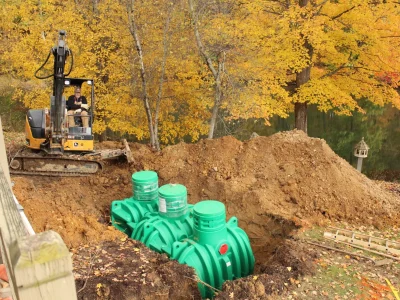

If you have started looking into onsite wastewater systems, you have probably noticed that the conversation gets technical very quickly. Septic tanks, aerobic treatment units, effluent filters, disinfection, service contracts, alarms, blowers, sludge levels, local permits. For a homeowner or property buyer, it can feel like learning a new trade just to understand what is buried in the yard.
The Norweco Singulair Green sits in that more advanced category of onsite treatment. It is not a basic gravity septic tank. It is designed as a residential wastewater treatment system that actively treats sewage before discharge or dispersal, often making it suitable for sites where a conventional septic system may not be ideal. That can include small lots, challenging soils, high water tables, environmentally sensitive areas, or properties subject to tighter local requirements.
For beginners, the hardest part is not memorizing parts and model names. It is learning how this type of system behaves in real life. Systems like this can work very well, but they ask for a little more attention than a passive tank and drainfield setup. The trade-off is better treatment performance and, in many cases, more flexibility in where a home can be built or how wastewater can be managed.
What the Norweco Singulair Green actually is
At its core, the norweco singulair green is an aerobic treatment system. Instead of relying mostly on settling and slow anaerobic breakdown inside a septic tank, it uses mechanical and biological processes to treat wastewater more aggressively. Air is introduced into the treatment process, which supports aerobic bacteria. Those bacteria break down organic material faster and more completely than a conventional septic tank typically does on its own.
That distinction matters. In a standard septic tank, solids settle, scum floats, and partially treated wastewater flows onward to a drainfield for final treatment in the soil. In an aerobic unit, the treatment happening inside the tank is more active. Wastewater moves through stages that may include pretreatment, aeration, clarification, and sometimes disinfection, depending on the setup and permit requirements.
For many homeowners, the easiest way to think about it is this: a conventional septic tank is mostly passive storage plus primary treatment, while a system like the Singulair Green is closer to a compact treatment plant for a single home or small property.
That does not mean it is industrial or hard to live with. Most owners interact with it only occasionally. But it does mean the system depends on components doing their jobs, including air delivery, internal circulation, and maintenance.
Why people end up considering this system
In practice, people usually do not shop for a Norweco Singulair Green the same way they shop for a water heater. They encounter it because of site conditions, code requirements, or a recommendation from a designer, engineer, installer, or local health department.
A few common scenarios come up again and again. One is a building lot with poor native soil. Another is a replacement system where the old septic arrangement failed and there is not enough room for a standard redesign. I have also seen buyers encounter aerobic units during due diligence on rural homes and vacation properties, where there is no municipal sewer and environmental rules are stricter than they expected.
In those settings, the appeal is straightforward. Better treatment can open options that a standard septic tank cannot. The caution is equally straightforward. A more capable system is usually more complex, and complexity always deserves respect.
How treatment typically happens inside the system
Although exact layouts vary by model and local design, the treatment sequence in a system like this generally follows a predictable logic.
Wastewater from the house enters the treatment unit. Heavier solids settle, lighter material rises, and the liquid portion moves into an aerated zone. In that zone, oxygen supports the bacteria that digest dissolved and suspended organic matter. After aeration, solids and biomass are given time to separate from the clarified liquid. Depending on the system design and local requirements, the treated water may then move to additional steps before final dispersal.
This sequence is the reason aerobic systems can produce cleaner effluent than a simple septic tank under the right conditions. The process is controlled more tightly. It is also why interruptions matter. If aeration stops for too long, or if harsh chemicals wipe out the biological community, performance can decline.
Homeowners do not need to become wastewater operators, but it helps to understand that the biology is alive and the equipment matters. A septic system is not just a box underground. It is a small ecosystem with plumbing attached.
The “green” part of the name
People often assume “green” means the system is maintenance free, chemical free, or entirely self-correcting. That is not how onsite treatment works. The greener aspect is better understood as improved treatment quality and a design intended to reduce environmental impact when installed and maintained properly.
Cleaner effluent can reduce the load on the dispersal area and limit the release of pollutants into surrounding soil and groundwater. That is especially relevant near lakes, streams, wetlands, or shallow groundwater zones. On sensitive sites, stronger treatment upstream can make the difference between a workable permit and a denied one.
Still, no wastewater system is green if it is neglected. An aerobic unit with a dead blower, overdue pumping, or a bypassed alarm can perform worse than a well-maintained conventional system. The environmental promise depends on operation, not just branding.
What a homeowner notices day to day
The average owner’s experience with a Norweco Singulair Green is usually quiet and uneventful. Toilets flush, showers drain, laundry runs, and the yard looks normal. That is exactly how it should be. A properly working system does not advertise itself.
The first thing many owners notice, though, is that aerobic systems often have an alarm or control component. That can be surprising if you are used to a simple septic tank with no visible controls beyond the access lids. An alarm does not mean something catastrophic is happening. It usually means the system has detected a condition that needs attention, such as a problem with air delivery, pump operation, or water level.
The second thing owners notice is service scheduling. In many jurisdictions, aerobic units require routine professional inspection. Even where it is not strictly mandated, it is wise. These systems reward preventive maintenance. A technician can catch a weak aerator, worn component, or rising sludge level before it turns into a messy and expensive failure.
The third thing is that household habits matter a bit more. Grease, wipes, solvents, paints, and excessive disinfectants are bad for any septic setup, but aerobic treatment units can be especially sensitive to misuse because they rely so heavily on balanced biological activity and moving parts.
A practical comparison with a conventional septic system
People often want a simple answer to the question, “Is this better than a normal septic tank?” In the field, that is not the right question. The better question is, “Is this the right system for this site, this budget, and this owner?”
A conventional septic system is often less expensive to install and simpler to maintain, provided the site supports it. It has fewer mechanical parts. That means fewer things to break. But it also depends heavily on suitable soils and enough area for proper dispersal.
The Norweco Singulair Green offers higher treatment performance, which can be a major advantage on difficult lots. In some places, it is less of a luxury than a necessity. The price for that performance is usually more equipment, more oversight, and more sensitivity to neglect.
Neither approach is universally better. A gravity septic system on deep, suitable soil can serve a home for many years with minimal drama. An aerobic treatment unit can be the smarter and sometimes only compliant choice where site conditions are poor. Good design always starts with the land and the code, not with brand loyalty.
Installation is where many long-term problems begin
Most septic owners think the important part is the tank itself. In reality, installation quality often determines whether the next decade is smooth or frustrating.
A strong treatment unit can still disappoint if it is placed poorly, connected improperly, undersized for real usage, or paired with a dispersal system that does not fit the site. I have seen otherwise solid norweco singulair green equipment blamed for problems that were really design or installation issues: lids set too low, stormwater directed toward the unit, traffic over buried components, poor electrical work, or unrealistic assumptions about occupancy.
With any advanced onsite system, the installer and designer matter nearly as much as the equipment. A careful contractor will think about access for pumping, future servicing, drainage around the unit, frost conditions if relevant, and how homeowners will actually use the property. A rushed install can hide its flaws for months or even years, then reveal them all at once.
If you are selecting a system rather than inheriting one, ask practical questions. Who will service it locally? How easy is it to get parts? What maintenance is expected annually? What alarms are included? How often is pumping typically needed under normal residential use? Those questions tell you more than glossy marketing language ever will.
Maintenance is not optional
This is the point that separates satisfied owners from frustrated ones. A Norweco Singulair Green is not difficult to own, but it does expect regular maintenance. Think of it less like a concrete vault and more like a piece of household infrastructure with biological and mechanical elements.
Routine service usually includes inspection of the aeration components, verification that alarms and controls are functioning, checking sludge and scum accumulation, and evaluating general treatment performance. Pumping intervals depend on household size, water use, and actual solids loading. There is no honest one-size-fits-all number. Some homes need pumping sooner than others even with similar square footage, simply because occupancy and habits differ.
Ignoring service intervals is a classic false economy. Owners postpone a few hundred dollars of preventive work and then face repair bills, yard damage, backups, or permit trouble later. That pattern is common enough that experienced septic professionals can spot it from the first phone call.
A short homeowner routine can prevent many avoidable issues:
- Watch for alarms and respond promptly.
- Keep records of service visits and pumping.
- Avoid flushing wipes, grease, solvents, and harsh chemicals.
- Divert roof and surface water away from the treatment area.
- Know where all lids, risers, and dispersal components are located.
That is not a burdensome list, but it reflects a different ownership mindset than “bury it and forget it.”
What can go wrong, and what usually causes it
Most system problems are not mysterious. They usually trace back to one of four causes: lack of maintenance, hydraulic overloading, abuse of the biological process, or installation defects.
Lack of maintenance is the obvious one. Mechanical components wear over time. Alarms get ignored. Solids accumulate. Small performance issues become bigger ones. Hydraulic overloading happens when the system receives more water than it was designed to handle. That can come from large households, leaking toilets, vacation rentals with fluctuating occupancy, or a laundry pattern that dumps too much water in short bursts.
Biological abuse is less obvious but common. People pour bleach in excess, send drain cleaners and paints into the system, flush “flushable” wipes, or treat the drain like a trash chute. The bacteria doing the treatment are resilient up to a point, but they are not indestructible. Finally, installation defects can undermine everything from day one, even when the homeowner does nothing wrong.
Symptoms are often subtle at first. A mild sewage odor near the unit, wet spots where they should not be, sluggish drains, unusual alarm activity, or very lush growth in one area of the yard can all be warning signs. None of those symptoms proves a specific failure on its own, but all deserve attention.
Cost expectations, without pretending there is one universal number
The price of a norweco singulair green setup depends heavily on geography, site work, local code requirements, and what is included beyond the treatment unit itself. Installation costs can vary substantially because excavation, soil conditions, electrical runs, pumping chambers, disinfection requirements, and dispersal methods all affect the final figure.
That is why broad internet numbers often mislead homeowners. A simple replacement on an accessible lot is one thing. A new installation on a constrained site with engineered dispersal and local permit requirements is something else entirely. The treatment unit is only part of the total system cost.
Ongoing ownership costs are easier to discuss in principle. Expect regular maintenance visits, periodic pumping, and eventual replacement of wear components. Electricity use also enters the picture because aerobic systems rely on powered equipment. Usually, the monthly electrical cost is modest compared with major household appliances, but it is not zero.
The practical way to budget is to think in layers: upfront installation, annual service, periodic pumping, and eventual component replacement. That framework is far more realistic than chasing one headline number.
Who tends to do well with this kind of system
The best owners for an aerobic treatment unit are not hobbyists or engineers. They are simply attentive. They read the service paperwork, keep appointments, respond to alarms, and do not use the toilet as a disposal route for anything convenient.
Owners who struggle are usually not careless in a dramatic way. More often, they assume the system behaves exactly like a basic septic tank. They postpone service because everything seems fine. They renovate the yard without knowing where components are buried. They host a holiday weekend with ten guests and run back-to-back laundry loads for a day and a half. They let a small issue linger because nothing has backed up yet.
This kind of system rewards ordinary discipline, not technical brilliance.
If you are buying a home with one already installed
A home purchase is often when people first encounter the Norweco Singulair Green by name. At that point, the goal is not to panic or walk away automatically. It is to verify condition, service history, and local compliance.
Ask for maintenance records. Confirm whether there is a service agreement. Find out who has been servicing the system and whether parts are readily available in the area. Check whether the seller knows the age of the unit, the location of all components, and the date of the last pumping. If local practice allows it, having the system evaluated by a qualified septic professional before closing is money well spent.
Do not rely on the seller’s version of “it works fine” if there are no records to support that statement. Septic systems can appear functional right up until they stop being forgiving.
A well-maintained aerobic system should not scare off an informed buyer. In some areas, it is the normal solution for modern residential development outside sewer service. The key is understanding what you are taking over.
Common misconceptions worth clearing up
One misconception is that an aerobic treatment unit means constant repairs. That has not matched what I have seen when systems are installed well and serviced routinely. They do have more components than a bare-bones septic tank, so yes, there is more to monitor. But “more complex” does not automatically mean “problematic.”
Another misconception is that treated water coming out of an advanced system is somehow drinkable or harmless in every context. It is still wastewater effluent and must be handled according to approved design and local rules. Better treatment does not eliminate the need for proper dispersal and safe management.
A third misconception is that additives in a bottle can substitute for maintenance. They cannot. Most of the time, they are unnecessary at best and a distraction at worst. Good operation comes from sound design, proper use, routine inspection, and timely pumping.
The real beginner takeaway
If you strip away the jargon, the norweco singulair green is a residential wastewater treatment system designed to do more treatment inside the unit than a conventional septic tank typically does. That extra treatment can solve real site problems and reduce environmental impact when the system is installed correctly and maintained consistently.
For a beginner, the most useful mindset is simple. Respect the biology, respect the equipment, and respect the maintenance schedule. If you do those three things, the system is much easier to live with than its technical name suggests.
The learning curve is front-loaded. Once you understand what the unit is, why it needs service, and how your daily habits affect it, ownership becomes fairly routine. You do not need to think about it every day. You just need to stop thinking of wastewater treatment as something that happens by magic underground.
That shift in perspective is what turns the Norweco Singulair Green from a confusing label on a permit into a practical piece of home infrastructure.
Excavating New Jersey LLC
406 County Rd 565, Wantage, NJ 07461, United States
+1 973-791-4284
FAQ About norweco singulair green
How much does a NORWECO septic system cost?
The installed cost depends on the selected unit, engineering, site access, excavation, electrical work, disposal-field design and required approvals. A tank-only price is not a complete installation quote. Ask Excavating New Jersey LLC for a site-specific, itemized estimate that also explains ongoing service costs.
How does a Norweco septic system work?
The Singulair Green uses pretreatment, aeration, clarification and filtration to treat domestic wastewater. In the aeration chamber, oxygen supports bacteria that break down organic material. The Bio-Kinetic unit provides further filtration and flow equalization. Final effluent disposal must follow the property's approved design and applicable requirements.
What is the average lifespan of a septic system?
There is no guaranteed lifespan for every system. Design, installation, soil conditions, wastewater loading and regular maintenance all matter, and mechanical parts may need replacement before the tank. For a Singulair Green system, follow the manufacturer's service schedule and have a qualified provider assess its condition and pumping needs.